
Wylde Blogs
2026: CBD‑Infused Clothing Goes Mainstream — sustainable launches, retail rollouts and new wearable delivery formats
Introduction
In 2026 a quiet but significant shift is unfolding: CBD is leaving the supplement aisle and entering the wardrobe. Across the UK, designers, textile start‑ups and wellness brands are converting lab prototypes into commercially viable garments that combine sustainable materials with low‑dose, textile‑integrated CBD delivery. This trend sits at the intersection of sustainability, personalised functional wellness and the maturing ecommerce and retail models that define modern British shopping.
What’s trending
Several linked movements explain why CBD‑infused clothing is rising into mainstream consideration this year:
- Lab‑to‑wardrobe innovation: Coverage in April 2026 highlights the UK as a leader in sustainable fashion innovation, where university spin‑outs and textile labs are rapidly moving prototypes toward commercial garments — a natural platform for CBD infusion.
- Selective retail rollouts and connected experiences: Retail analysis (SCAYLE, 2026) shows brands winning this year focus on tightly curated discovery‑to‑delivery journeys and selective brick‑and‑mortars, giving CBD‑wearables practical, premium routes to shoppers both online and on the high street.
- Market opportunity and investor interest: CBD market trend reports (2026) put sustainability, personalised products and new delivery systems among the top opportunities, and investor capital remains available — for example Trip (CBD + calming beverages) raised a $40m Series A (Vogue Funding Tracker, Dec 2025), signalling capital appetite for consumer CBD innovation.
- Maturing ecommerce channels: IBISWorld’s 2026 UK analysis shows online CBD retailing is segmenting and formalising, enabling apparel and DTC brands to plug into established distribution and customer acquisition flows.
- Sustainability as baseline: Industry commentary in 2026 emphasises that sustainability is no longer optional marketing; new CBD‑infused clothing launches foreground eco‑fibres, regenerative sourcing and circular packaging as expected practice.
Why it matters
This convergence matters for three reasons. First, consumer demand in 2026 favours personalised, functional wellness delivered through everyday products — clothing is a familiar, intimate platform. Second, the commercial ecosystem is aligned: textile innovation hubs, selective retail rollouts and mature ecommerce channels mean there are practical routes from prototype to purchase. Third, investor capital and a thriving domestic supply chain create the manufacturing and quality‑control backbone necessary for credible CBD‑textile launches.
Importantly, brands are careful to position garments as wellness products rather than medical devices. Messaging uses cautious language — CBD may support relaxation or recovery for some users — and emphasises traceability, lab testing and compliance with UK THC limits.
Examples (how brands are delivering on the trend)
Design and delivery are taking several shapes in 2026:
- Microencapsulated fibres: CBD is being microencapsulated within yarns so that slow, topical release is possible during wear. These fibres are blended with natural or recycled materials to meet sustainability commitments.
- Textile‑integrated transdermal patches and seams: Some garments embed low‑profile patches or micro‑pockets that hold single‑use transdermal elements — a familiar delivery concept for users of topical patches and balms.
- Temperature or motion‑activated release: Smart textiles that release microdoses when warmed by the body or activated by friction are appearing in prototypes aimed at sleep, recovery and stress‑management use cases.
- Connected retail rollouts: Brands trial limited drops in flagship boutiques and direct online channels, leveraging community feedback and wearable telemetry to refine dosing and materials before broader distribution.
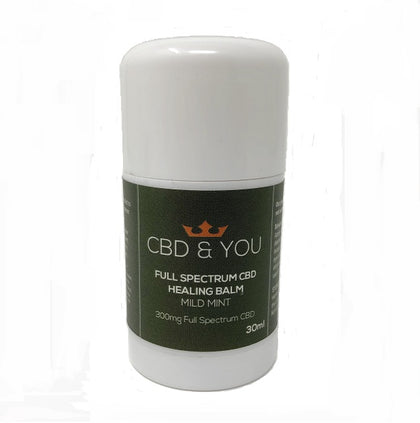
Consumers already recognise related topical formats in the market — discreet patch and balm formats are established in wellness routines. Examples available today include the CBD Living Topical Patch, the Full Spectrum CBD Healing Balm, cooling formats such as the CBD Living Freeze 1500mg Body and unscented lotions like the CBD Living Lotion Unscented 250mg. These familiar formats help consumers understand the idea of low‑dose, topical CBD delivered through textiles.
Market movements and supply chain signals
Reports through 2026 project healthy market growth for CBD categories that diversify into apparel. The rise of domestic suppliers and improved traceability practices reduces barriers for textile infusion, while investor interest continues to underwrite experimentation in consumer formats and material science. At the same time, sustainability expectations — from fibre sourcing to circular packaging — shape every commercial decision.
Future outlook
Over the next 18–36 months we expect to see:
- More curated drops: Brands favour limited, localised rollouts over mass launches, using data from early adopters to refine dosing, fabric blends and product messaging.
- Stronger regulatory and testing standards: As apparel becomes a delivery channel, traceable supply chains, batch‑level lab certificates and clear THC compliance will be essential for consumer trust.
- Blended product ecosystems: Clothing will sit alongside topical patches, balms and lotions as part of integrated routines — the seamless experience SCAYLE describes from discovery to delivery is likely to be a differentiator.
- Design‑led sustainability: Expect regenerative sourcing, recycled hemp and circular return programmes to be core to brand propositions rather than optional extras.
Conclusion
CBD‑infused clothing is moving from novelty to pragmatic product strategy in 2026. The UK’s strength in sustainable textile R&D, combined with selective retail strategies, maturing ecommerce channels and continued investor interest, creates a timely commercial environment. For consumers, the appeal lies in discreet, personalised wellness integrated into everyday garments; for brands, success will depend on rigorous supply‑chain transparency, credible testing and authentic sustainability practice. As the category evolves, expect to see more refined, design‑led pieces that position CBD as a subtle, responsibly created element of modern wellness wardrobes.