
Wylde Blogs
2026 UK CBD Influencer‑Marketing Compliance Guide: Running ASA‑Compliant Sponsored Posts
Introduction
Influencer marketing remains a powerful way for UK CBD brands to reach engaged audiences — but 2026 brings stricter scrutiny and clearer expectations from regulators. This guide explains what brands and creators must do to keep sponsored posts ASA/CAP compliant, how to present Certificates of Analysis (COAs) transparently, and which contract clauses reduce enforcement risk. The tone is practical and focused on processes that protect reputation and legal exposure while preserving creative freedom.
Key concepts at a glance
- Immediate, obvious disclosure: ASA data (2026) shows 89% of successful compliance cases relied on clear, upfront disclosure within the first three seconds of video or above‑the‑fold in static posts.
- Shared liability: Brands and influencers share responsibility under the CAP Code, CMA and consumer protection law — employing a creator does not shift legal exposure to them.
- COA transparency: Showing or referencing Certificates of Analysis in influencer content can improve transparency and consumer trust, provided no medical claims are made.
- Documented workflows: Regulators increasingly use automated and AI‑driven monitoring; archived approvals, screenshots and COAs reduce enforcement risk.
1. Disclosure: what counts as "obviously identifiable"
Clear labelling is non‑negotiable. The ASA/CAP position in 2026 is explicit: disclosure must be "obviously identifiable". Practical points:
- Use explicit labels such as #ad, #sponsored or Sponsored by [Brand], and place them immediately — first visible line in captions, opening frame of vertical video, or above‑the‑fold text on static images.
- Buried disclosures (after "see more", in tiny font, or only in a profile bio) are non‑compliant.
- Short vertical video tip: display a clear overlay in the first three seconds and repeat at intervals for longer videos; ASA data shows 89% of compliance successes relied on upfront disclosure in that window.
2. Platform tools are helpful — but not sufficient
Native labels such as Instagram's Paid Partnership tag are useful for analytics and platform transparency, but regulators have clarified these tools alone may not satisfy ASA/CAP standards. Best practice:
- Combine the platform tag with explicit on‑screen or above‑the‑fold text (e.g. first caption line: #ad – Sponsored by Wylde).
- Include visual mockups in briefs showing exact placement on the platform (opening frame, caption preview line, story sticker position).
3. Certificates of Analysis (COAs) in creator content
For CBD specifically, visible COAs or a clear statement directing consumers to a published COA can improve transparency. Practical guardrails:
- If a creator displays a COA image or excerpt, ensure the document is current, legible and matches the batch referenced in the post.
- Do not convert laboratory data into product claims (avoid language implying therapeutic or medical effects). Use neutral phrasing such as "lab results available" or "batch COA shown for transparency".
- Keep a timestamped copy of the COA and an archive of the post in case regulators request evidence.
When creators demonstrate product use, brands often supply a sample such as the Wylde Natural Cold‑Pressed Drops 1000mg or a pack of Wylde CBD Gummy Bears. If a COA is shown alongside product shots, ensure it is the correct batch and avoid any text that suggests health benefits.
4. Contracts: a practical checklist for brands
Contractual terms are your primary preventive control. At minimum, include:
- Exact disclosure wording: Specify the precise label(s) to be used and how they must appear on each platform (e.g. "First visible caption line must begin with '#ad'" or "Opening 3‑second overlay: 'Sponsored by [Brand]' ").
- Platform‑specific placement: Give examples and require visual mockups for Reels, TikTok, Stories, static posts and paid amplification.
- Pre‑approval: Require submission of creative and captions for brand sign‑off before posting. Keep time‑stamped approvals.
- Correction clause: Oblige the creator to correct non‑compliant posts within 24 hours and document the correction.
- Payment levers: Make final payment conditional on compliant posting and retention for a defined period (e.g. 12 months) or until the campaign completes.
- Evidence retention: Ask for original assets, high‑resolution screenshots, analytics exports and any COAs used in the content to be archived.
5. Monitoring, archiving and AI surveillance
Regulators are using AI detection tools in 2026, increasing the speed of enforcement. Minimise exposure by:
- Maintaining a documented approval workflow with time‑stamped sign‑offs.
- Archiving screenshots, video files and COAs in a secure folder with metadata (date, time, creator handle, batch numbers).
- Running weekly campaign audits and keeping monitoring reports that show you reviewed each post for disclosure and COA accuracy.
6. Practical examples and friendly dos & don’ts
- Do: Place #ad as the very first line of the caption or show it as an opening overlay in the first three seconds of video.
- Don’t: Rely only on the Paid Partnership tag, bury disclosure after 'see more', or include it in a montage at the end of a clip.
- Do: If showing a COA, pair it with neutral text such as "Batch COA available — link in bio" and keep the COA file accessible on your site.
- Don’t: Use COA screenshots to imply medical efficacy or therapeutic outcomes.
Conclusion
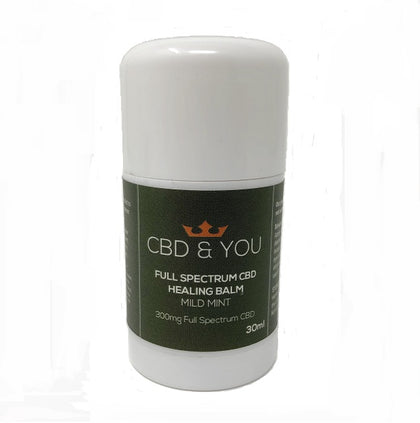
In 2026, compliance for UK CBD influencer campaigns is about clarity, documentation and repeatable processes. Prioritise obvious disclosure, inscribe precise approval and correction clauses in contracts, archive COAs and approvals, and treat platform tools as complementary — not sufficient — safeguards. These steps reduce legal risk, protect brand reputation and make collaborations smoother for creators. For product examples commonly used in demos and unboxing content, creators often feature lines such as the Wylde Natural Cold‑Pressed Drops 1000mg, the Wylde CBD Gummy Bears or topical items like the Full‑Spectrum CBD Healing Balm — always pair product visibility with compliant on‑screen disclosure and verifiable COAs. Well‑constructed briefs, clear contracts and rigorous archiving are the best investment a brand can make in a high‑risk, high‑reward channel.