
Wylde Blogs
2026 UK CBD Seed‑to‑Shelf Supply Chain Explained: How Hemp Is Grown, Processed, Extracted and Lab‑Tested
Introduction
As the UK CBD market matures in 2026, retailers, manufacturers and consumers alike expect greater transparency and regulatory certainty across every stage of the supply chain. From field to pharmacy shelf, a product’s journey now hinges on precise cultivation controls, robust laboratory testing and compliance with Novel Food and import rules. This article unpacks the seed‑to‑shelf lifecycle—what happens on the farm, in the extraction suite and in the lab—so you can understand the checks, costs and paperwork behind each bottle, gummy or balm.
Key concepts to understand
- Regulatory baseline: CBD remains legal in the UK when products meet current requirements; the MHRA confirmed in April 2025 that any product making medicinal claims needs a Marketing Authorisation.
- THC limits: industrial hemp is cultivated to a 0.2% THC limit by plant, while ingestible consumer guidance increasingly references a 1mg THC‑per‑package ceiling.
- Novel Food entry: ingestible CBD (oils, gummies) must comply with the FSA Novel Food framework or be retailed by an approved Novel Food authorisation holder.
- Testing standards: Certificates of Analysis (COAs) from ISO/IEC 17025‑accredited labs and full end‑product panels are now standard for market entry.
- Traceability: seed‑to‑shelf provenance, GMP evidence and transparent sourcing documents are commonly requested by UK buyers.
From seed to harvest: cultivation and early controls
Supply‑chain integrity begins at the field. UK industrial hemp varieties are selected and grown with the 0.2% THC cultivation limit in mind. Farmers keep genotype records, seed certificates and GPS‑tagged field logs to prove origin and compliance. Harvest timing is also critical: cannabinoid profiles vary with plant maturity, so agronomic records showing harvest dates and drying regimes support downstream testing.
Why THCA matters at borders
Border and customs authorities treat THCA as a controlled cannabinoid that converts to THC when decarboxylated and therefore counts towards THC caps. Importers must present COAs showing compliant THCA and THC levels—failure to do so increases the risk of shipment rejections or delays.
Processing and extraction: methods and documentation
After harvest, hemp is processed into biomass, crude extracts and refined oils. Common extraction methods include CO2 and ethanol extraction; many manufacturers document solvent recovery, residual solvent testing and batch yields. Good Manufacturing Practice (GMP) documentation and controlled environments are now sought by retailers as proof the product was handled consistently.
Refined extracts are formulated into finished goods: oils, softgels, gummies and topicals. Examples you’ll find on retail shelves include oils at multiple strengths such as Wylde Natural Cold‑Pressed Drops 1000mg CBD Oil 10ml and higher‑strength variants like Wylde Natural Cold‑Pressed Drops 4000mg CBD Oil 10ml. Ingestible formulations may also include imported options such as the CBD Living Tincture 30ml 4500mg 0% THC, while chewable formats like Wylde CBD Gummy Bears 30x 10mg CBD per bear Full Spectrum are common entry products for consumers.
Lab testing and Certificates of Analysis
Testing is the supply chain’s backbone. UK/EU buyers now expect COAs from ISO/IEC 17025‑accredited laboratories that include full cannabinoid profiles, limits of detection, and panels for heavy metals, pesticides and mycotoxins. Typical analyses include:
- Cannabinoid potency (CBD, THC, THCA and minor cannabinoids)
- Terpene profiling when relevant
- Contaminant screens: lead, cadmium, arsenic, mercury
- Pesticide residues and mycotoxin assays
- Residual solvent testing for solvent‑extracted batches
Many retailers also ask for end‑product testing (i.e. the finished oil, gummy or balm) rather than relying solely on crude extract COAs. A typical batch re‑test costs around £150–£400, which adds to commercial considerations.
Novel Food, market entry and commercial costs
Ingestible CBD continues to sit within the Novel Food framework. To sell consumables legally, a product must either be covered by an approved Novel Food authorisation or be sold through a holder of such an authorisation. The application pathway is detailed and usually requires toxicology dossiers, stability data and validated analytical methods; many brands engage consultants, with one‑off fees typically ranging from £5,000–£15,000 depending on the scope.
Commercial cost realities shape pricing and margins. For example, a standard 10ml (1000mg) CBD oil commonly incurs an ex‑works cost in the region of £1.20–£3.50. Wholesale pricing for retail sale in the UK often sits between £4–£8 per unit. When you add lab re‑testing (£150–£400 per batch), Novel Food consultancy and packaging, the landed cost to a retailer rises quickly.
Traceability, GMP and retailer expectations
Retailers now routinely demand seed‑to‑shelf traceability: seed source, farm logs, harvest records, extraction batch notes, GMP certificates, COAs and proof of Novel Food compliance where applicable. Many listings require easily accessible documentation or QR codes on packs linking to COAs and manufacturing data. This transparency reduces risk for retailers and reassures consumers about provenance and quality.
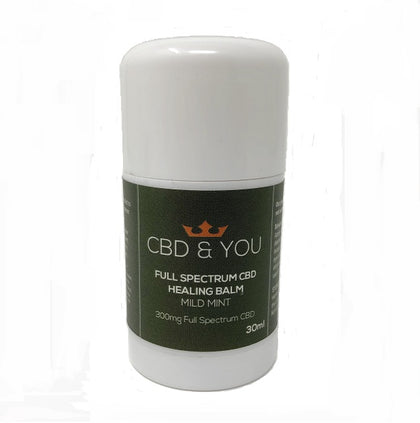
Topicals also follow stricter expectations. A popular example in the topical category is the Full‑Spectrum CBD Healing Balm, which retailers may request to be accompanied by stability data and contaminant testing specific to the finished tin.
Conclusion
By 2026 the UK CBD supply chain is more regulated, more transparent and—importantly—more costly to operate to the levels buyers now expect. From strict cultivation limits and THCA controls at borders, through ISO‑accredited lab testing and Novel Food obligations, every stage requires documentation and traceability. For retailers and conscientious consumers, this means clearer provenance and better‑documented products; for producers and importers, it means investing in compliance, testing and evidence to keep products moving from seed to shelf.