
Wylde Blogs
2026 UK CBD: White‑label vs Bespoke (Private) Formulation — Cost, MOQs, Lead Times & Lab Responsibility
Introduction
Launching a CBD line in the UK in 2026 means balancing speed, cost and regulatory rigour. For many brands the choice comes down to two clear routes: fast, lower‑cost white‑label SKUs versus slower, more bespoke private formulations. This article compares both approaches side‑by‑side — focusing on cost per SKU, minimum order quantities (MOQs), lead times, Certificates of Analysis (COAs) and who carries lab‑testing responsibility — so you can choose the route that best suits your brand strategy.
Feature‑by‑feature comparison
| Feature | White‑label | Bespoke / Private Formulation |
|---|---|---|
| Unit cost per SKU | Entry‑level white‑label SKUs can start from around €2.90 per 10 ml bottle — a price that makes rapid low‑cost market entry viable for many retailers. | Higher: bespoke formulations carry ingredient sourcing, R&D and tooling costs. True per‑unit costs fall with scale but initial pricing will be above commodity white‑label products. |
| MOQ | Low: some white‑label providers accept MOQs as low as ~50–100 units per SKU. | Higher: bespoke commonly requires 200–2,000 units; many UK manufacturers list ~500 units per SKU as typical. |
| Lead time | Short: typical 2026 lead times for ready formulas are ~2–6 weeks for production and despatch. | Longer: bespoke development adds months for formulation optimisation, stability testing and regulatory documentation. |
| COAs & lab testing | Suppliers routinely provide batch‑level COAs and can facilitate third‑party lab testing; ingestible white‑label products (e.g. gummy recipes) normally arrive with COAs demonstrating THC below limits and declared potency. | Same: bespoke batches will also receive COAs. Brands commissioning bespoke work may request customised testing panels (stability, heavy metals, solvents) as part of the programme. |
| Regulatory responsibility | Supplier provides documentation, but brands retain responsibility for compliance — for example Novel Food evidence for ingestibles and a Cosmetic Product Safety Report (CPSR) for topicals. | Brands still hold the regulatory burden: bespoke gives more control over technical dossiers, but the onus to compile Novel Food evidence, ensure THC non‑detectable COAs and maintain supply‑chain transparency remains with the label holder. |
| Differentiation & IP | Lower: white‑label is efficient but risks commoditisation and channel conflict if supplier sells similar D2C products. | Higher: bespoke can create unique formulas and packaging, offering IP and premium pricing potential when executed well. |
Hidden and one‑off costs to factor in (real total cost)
- R&D fees: ~€300–€500 per SKU for formulation tweaks and technical support.
- Stability & compliance testing: ~€500–€1,000 per SKU (accelerated stability, microbial, solvent screens as needed).
- Custom packaging setup: €200–€500 per SKU for artwork, print plates or tool changes.
- Ongoing third‑party batch testing: budget for periodic COAs to be repeated with each production run.
Taken together, bespoke launches often tip to a typical first‑order investment of €5,000–€10,000 once R&D, testing and setup are included — whereas a white‑label test run can be launched for markedly less.
Pros and cons — fair and balanced
White‑label
- Pros: quickest time‑to‑market (2–6 weeks), lowest upfront cost per unit (from ~€2.90/10 ml), low MOQs (50–100), minimal technical overhead.
- Cons: limited differentiation, potential channel conflict if the supplier sells competing SKUs, less control over raw material origin and full formulation detail.
Bespoke / Private formulation
- Pros: product differentiation, opportunity to build IP and premium pricing, tailored ingredient sourcing and bespoke packaging design.
- Cons: longer lead times (months for development and testing), higher MOQs and upfront costs (first‑order budgets commonly €5k+), and more complex project management.
Who holds lab‑testing and regulatory responsibility?
Practically, suppliers will provide batch‑level Certificates of Analysis and can arrange third‑party testing. However, in the UK the brand owner remains responsible for regulatory compliance. That means ensuring:
- Novel Food compliance for ingestibles (e.g. gummies or tinctures) and keeping appropriate evidence available.
- THC is undetectable or below legal thresholds — demonstrated by batch COAs.
- Cosmetic Product Safety Reports (CPSRs) and ingredient INCI lists for topical products.
- GMP/ISO certification and documented supply‑chain traceability to satisfy retailers and auditors.
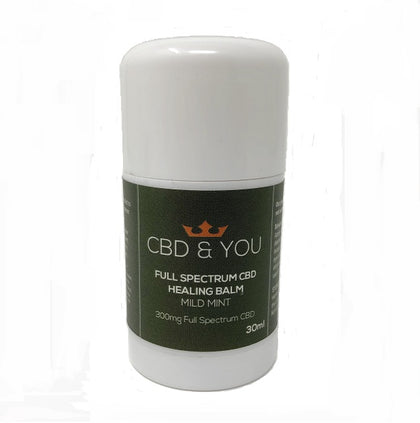
Work with suppliers who supply full COAs, certificate copies for ingredients, and clear chain‑of‑custody paperwork. Ready‑made products such as the Wylde Natural Cold‑Pressed Drops 1000mg CBD Oil 10ml or an ingestible like the Wylde CBD Gummy Bears 30x will typically arrive with batch COAs supplied by the manufacturer, but you must still retain and check the evidence for Novel Food compliance before placing them on the UK market. For topicals, suppliers often offer ready balm formulas — for example the Full‑Spectrum CBD Healing Balm — but brands must ensure a valid CPSR is held.
Which route is right for you?
If you prioritise speed and minimal capital outlay — for product testing, seasonal ranges or retail trials — white‑label is a pragmatic first step. It reduces risk and lets you validate positioning with low MOQs and fast lead times. Bear in mind the trade‑offs around differentiation and the need to vet suppliers for COAs, THC testing and GMP credentials.
If your strategy is built on a distinct brand proposition, unique formulation or premium pricing, bespoke formulation is the better long‑term play. Expect higher MOQs, longer lead times and an initial budget that comfortably absorbs R&D, compliance and packaging setup costs. The investment can pay back in stronger margins and defensible brand equity — provided the regulatory groundwork is diligently managed.
Conclusion
In 2026 the UK CBD market rewards both approaches, depending on your objectives. White‑label offers a fast, low‑cost route to market (from ~€2.90 per 10 ml bottle and MOQs of ~50–100), while bespoke formulations demand higher MOQs (commonly 200–2,000), greater upfront investment (typical initial outlay €5k–€10k) and longer development cycles — but deliver stronger differentiation. Whatever path you pick, ensure rigorous COA checks, documented supply‑chain transparency and that your brand holds the necessary regulatory evidence (Novel Food dossiers for ingestibles; CPSRs for topicals). When managed carefully, either route can be part of a sustainable, compliant UK CBD business model.