
Wylde Blogs
2026 UK Guide — CBD for Post‑Workout Recovery: Topical Balms, Low‑Dose Oral Oils and Staying UKAD/WADA‑Compliant
Introduction
As CBD continues to feature in elite sport and everyday training routines in 2026, athletes and gym-goers are asking practical questions: which formats suit post‑workout recovery, how do anti‑doping rules apply, and how can contamination risk be minimised? This guide walks through topical balms, low‑dose oral oils and capsules, the current WADA/UKAD landscape, and sensible steps to reduce the chance of an adverse analytical finding (AAF).
Understanding the anti‑doping framework
What is permitted — and what is not
It is important to begin with the facts. WADA and UKAD permit cannabidiol (CBD) itself, but all other cannabinoids — including Δ9‑THC — remain prohibited in‑competition. That means while CBD is not banned, many other compounds commonly found in hemp extracts are.
Strict liability and the reporting threshold
Anti‑doping operates on a principle of strict liability: athletes are fully responsible for any prohibited substance found in their system, regardless of intent. Past cases show that product contamination has resulted in adverse findings. For THC specifically, there is a urine reporting threshold of 150 ng/mL — but other prohibited cannabinoids have no threshold and can trigger an AAF even at trace levels.
Topical balms, roll‑ons and patches: targeted recovery with lower systemic exposure
Topicals — balms, roll‑ons, patches and massage oils — are increasingly popular for post‑workout use because they deliver a targeted sensory and wellness experience to specific muscles and joints. Many users prefer them after training for convenience and the perception of lower systemic absorption compared with oral products.
- Lower systemic absorption: when used as directed, many topicals produce minimal blood levels of cannabinoids, reducing but not eliminating anti‑doping risk.
- Use cases: soothing a tight calf, easing muscle tension after a long session, or incorporating into a post‑session massage routine.
Examples of topical formats available in 2026 include jars and balms, cooling body gels and scented massage oils. If you are considering a topical option, look for products with clear batch certificates:
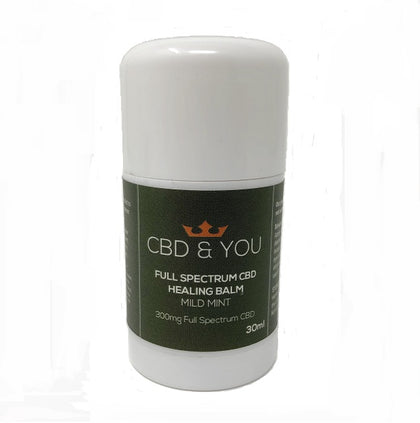
- Full‑Spectrum CBD Healing Balm — note the term “full‑spectrum”; such products can contain trace THC and therefore carry higher risk for tested athletes unless backed by robust batch testing.
- CBD Living Freeze 1500mg Body — an example of a cooling topical formulated for post‑exercise comfort.
- Wylde Entourage Massage Oil (bergamot & lavender) — useful for post‑session massage work; check the COA for cannabinoid profiles.
Low‑dose oral oils, nano‑emulsified formulations and capsules
Oral options — tinctures, nano‑emulsified oils and soft‑gel capsules — are marketed for convenience and systemic effects. In 2026, brands are highlighting low‑dose and high‑bioavailability formats aimed at managing soreness and supporting recovery routines.
- Higher absorption, higher testing risk: oral products often produce measurable blood and urine cannabinoids, increasing the chance of an AAF if contaminants are present.
- Nano‑emulsified formulations: these can raise bioavailability, meaning smaller doses produce larger systemic exposure — a factor athletes must weigh carefully.
If choosing oral options, prefer products labelled and certified as THC‑free and supported by third‑party analysis. Examples include low‑dose capsules and high‑strength 0% THC tinctures for those seeking precise dosing:
- CBD Living 5 mg 30‑count gel capsules — a low‑dose oral capsule format some people find convenient for routine dosing.
- CBD Living Tincture 30ml 4500mg (0 THC) — a high‑strength, labelled 0% THC option; always verify a recent batch COA before use.
Why testing and COAs matter — evidence from product analyses
Published analyses — for example JAMA (2017) and subsequent reports — have demonstrated that some commercially available CBD products contained unexpected THC or other prohibited cannabinoids. Those findings underline a persistent industry challenge: incomplete labelling and contamination.
To reduce risk, look for the following:
- Batch‑specific third‑party COAs showing cannabinoid profiles and limits of detection.
- Independent laboratory accreditation (ISO or equivalent) and clear dates matching the product batch you have.
- Full transparency from the brand about extraction methods and post‑production testing.
Practical guidance: amateurs vs elite athletes
Brands and specialist sports lines launching in 2026 are responding to distinct needs. Your approach should depend on your status and tolerance for risk.
- Elite competitive athletes: prioritise risk‑reduction. Only use products with batch COAs from accredited labs, preferably certified by sporting bodies or with explicit anti‑doping assurances. Consider avoiding oral formats in‑competition and consult your medical/anti‑doping advisor before using any cannabinoid product.
- Amateur gym‑goers and recreational athletes: many prioritise convenience and symptom relief. Topicals and low‑dose oral products can be appropriate choices, but sensible practice still includes checking COAs and understanding product labelling.
Practical checklist before you use a CBD product
- Check the product is batch tested and that the COA matches your bottle.
- Confirm the lab is independent and accredited.
- Prefer THC‑free (broad‑spectrum or certified 0% THC) products if you are subject to testing.
- For competition periods, favour topicals with verifiable low systemic absorption and documented testing.
- Consult your team doctor or anti‑doping officer if you are in elite sport.
Conclusion
Clever use of CBD in 2026 can form part of a considered post‑workout routine, but athletes must balance potential benefits against anti‑doping obligations. Topical balms, roll‑ons and patches generally offer targeted application with lower systemic exposure, while oral oils and nano‑formulations deliver higher bioavailability and therefore greater testing risk. The single most important protective step for anyone subject to testing is independent, batch‑specific third‑party analysis — look for clear COAs and, where possible, sports‑certified products. Whether you are an elite competitor or a recreational lifter, an informed, cautious approach will help you enjoy CBD’s place in modern recovery while managing anti‑doping risk.