
Wylde Blogs
2026 UK Guide — How to Tell If Your CBD Oil Is Rancid or Oxidised: Sensory, Visual and Storage Checks
Introduction
Caring for a bottle of CBD oil goes beyond occasional dosing — it’s about preserving quality, potency and your peace of mind. In 2026 the UK market offers a wide range of formulations and carriers; knowing how to spot rancidity or oxidation helps you decide whether to keep, repurpose or discard a product. This guide explains practical sensory, visual and label checks, explains why degradation happens, and sets out safe storage and reuse advice that many consumers find useful.
Key concepts: what we mean by rancidity and oxidation
Rancidity refers to the chemical breakdown of the carrier oil (the base oil in which cannabinoids are dissolved), often producing sour or unpleasant odours and flavours. Oxidation describes cannabinoid and oil molecules reacting with oxygen, light or heat — a process that gradually reduces potency and can alter smell, taste and appearance. Typical unopened shelf life for many CBD oils is around 12–24 months from bottling; once opened, many brands recommend using products within 6–12 months depending on formulation and storage.
Sensory checks — smell and taste
Start with your senses. Many degradation issues are obvious if you look or smell the product.
- Smell: A sour, sharp or simply ‘off’ smell is a strong red flag. Rancid carrier oils commonly give a cardboardy, bitter or acidic aroma rather than the mild nutty or grassy scent you might expect from a fresh oil.
- Taste: A bitter or unpleasant taste on the tongue indicates oxidation of the carrier oil or breakdown of other ingredients. If ingestible oil tastes markedly unpleasant, discard it rather than continuing to use it.
Visual and texture clues
Look closely at the bottle and the oil itself; appearance often tells the story.
- Darkening: Significant darkening to murky brown or greenish tones can indicate ageing. Gradual, expected colour change is normal over long periods, but sudden or marked dark shades are worth noting.
- Cloudiness or separation: Temporary separation (oil layers) can re-mix when warmed to room temperature. Persistent cloudiness or separation that won’t re-emulsify at room temperature suggests breakdown.
- Thickening or graininess: Increased viscosity, tiny crystals or grainy particles may be a sign of degradation or crystallisation, especially in high-strength formulations.
Potency loss and why it matters
Cannabinoids and other active molecules oxidise over time with exposure to heat, light and air. An expired or poorly stored oil may not smell or taste strongly rancid yet still deliver weaker effects because of potency loss. This is why storage matters, and why reputable brands publish batch dates and third‑party certificates so you can verify manufacturing and testing dates.
Carrier oil matters — some oxidise faster
Not all carrier oils behave the same. Oils high in unstable polyunsaturated fats (for example, some cold‑pressed hemp seed oils) are more prone to rancidity than more stable carriers such as MCT oil. If you have a natural cold‑pressed product — for instance Wylde Natural Cold‑Pressed Drops 1000mg (10ml) — expect it to behave differently from MCT‑based tinctures. Knowing the carrier listed on the label helps set expectations for shelf life and storage.
Storage best practice
Good storage slows oxidation. Follow these practical steps:
- Keep oils in airtight, dark glass bottles (amber or cobalt) to limit light exposure.
- Store in a cool, dark place away from radiators, ovens and direct sunlight. Refrigeration is usually unnecessary and can introduce condensation when returned to room temperature.
- Keep the cap tightly closed and avoid leaving the dropper in contact with warm surfaces; minimise the bottle’s time open to limit air exposure.
High‑strength, low‑THC tinctures such as CBD Living Tincture 4500mg (30ml) 0% THC will particularly benefit from careful storage due to the value of the product and potential potency loss over time.
When to toss, when to repurpose topically
Decisions should balance safety and practicality.
- Toss: If an ingestible product has a sour or rancid smell, bitter taste, mould, or an unusual appearance, discard it. Even if it smells only slightly aged, a noticeable off‑odour is reason to dispose of it.
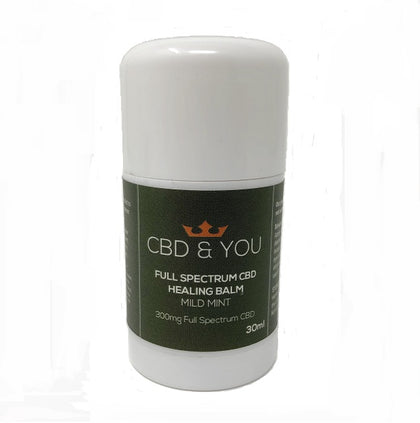
- Repurpose topically: Slightly aged oils without off‑odours can sometimes be reused for external applications — for example, blending into a balm — but avoid using any ingestible product with signs of spoilage. Topical skincare lines such as Vitamin E CBD 600mg Radiance Revive Night Oil, Retinol 1% CBD 1000mg Intensive Anti‑Ageing Night Moisturiser or a Full Spectrum CBD Healing Balm illustrate how topical formats can accept different base oil characteristics — but only repurpose if there is no off‑smell and the product has been stored sensibly.
- Safety note: Rancid oil is unlikely to cause serious harm, but some people experience digestive upset or mild irritation. When in doubt, err on the side of caution and discard.
Label checks and trusting COAs
Trustworthy labelling is your ally. When assessing freshness and provenance:
- Check for batch numbers and a clear best before or manufacture date.
- Look for published third‑party Certificates of Analysis (COAs) that show testing date and cannabinoid profile. Reputable brands publish COAs that match batch numbers so you can confirm when the product was made and tested.
- If a product lacks a visible date, batch code or accessible COA, treat it with extra scrutiny — and consider contacting the retailer for clarification.
Practical checklist
- Before use: check best before, batch number and COA.
- Visual and smell test each time you open a new bottle.
- If ingestible oil smells or tastes rancid, dispose of it; if only slightly aged with no off‑odour, you may consider topical repurposing for non‑sensitive skin.
- Store dark glass bottles in a cool, dark place and keep caps closed between uses.
Conclusion
Being able to recognise rancidity or oxidation in CBD oil helps you protect quality and make informed decisions. Simple sensory checks — smell, taste and appearance — combined with good storage and label verification will keep your oils performing closer to expectation. When in doubt, prioritise safety: discard ingestible oils that smell or taste off, and consult batch COAs or the retailer for clarity. Thoughtful storage and awareness of carrier oil type will also extend usable life and make your CBD routine more reliable.