
Wylde Blogs
CBD skincare vs hemp seed oil skincare (UK, 2026): A buyer’s guide to ingredients, true CBD content, price‑per‑mg and sustainability
Introduction
In the crowded wellness shelves of 2026, products bearing hemp leaves and ‘CBD’ in elegant type have become ubiquitous. But there is an important distinction many shoppers miss: hemp seed oil and CBD (cannabidiol)‑containing skincare are not the same. One is a nourishing botanical oil pressed from seeds; the other is an extract that may contain cannabinoids and requires regulatory and laboratory transparency. This guide explains the practical differences for UK buyers in 2026, covering ingredient lists, true CBD content, price‑per‑mg, label claims and sustainability so you can choose with confidence.
Feature‑by‑feature comparison
1. Source and composition
Hemp seed oil: cold‑pressed from hemp seeds; rich in omegas and skin‑friendly lipids but contains negligible cannabinoids, including CBD. Because seeds carry almost no cannabinoids, hemp seed oil cannot deliver cannabinoid‑specific effects often promoted by CBD products (Healthline, CBDfx).
CBD skincare: made using extracts from the hemp plant’s flowers and leaves. These extracts may be full‑spectrum, broad‑spectrum or CBD isolate and can contain measurable amounts of CBD and other cannabinoids. This difference in raw material explains why CBD products require different lab and regulatory handling.
2. Cannabinoid content and lab transparency
True CBD content varies widely between brands and products. For real CBD skincare, reputable makers publish dated third‑party lab reports (Certificates of Analysis, COAs) showing the actual CBD (in mg) per container and testing for contaminants. The absence of clear COAs or unclear guidance on how the CBD total is stated (per jar, per 10 g, per serving) is a major red flag (CBD Armour buyer guide).
3. Novel Foods / FSA compliance (UK, 2026)
Since the Novel Foods framework and updated FSA guidance now shape CBD sales in the UK (2026), buyers should prioritise products that clearly demonstrate Novel Foods/FSA compliance. Look for explicit statements about Novel Foods submissions or approvals and dated supporting documentation — these are now central to legitimate CBD commerce in the UK (CBD Armour 2026 guide).
4. Price‑per‑mg: how to compare value
Retail prices for CBD skincare can differ dramatically for similar‑looking products. The simplest way to compare value is price‑per‑mg: divide the total mg CBD in the jar/tube by the retail price. For example, if a night moisturiser lists 1,000 mg CBD for £60, the price‑per‑mg is £0.06. This makes it straightforward to compare different SKUs once you verify the CBD total on the label and COA.
5. Label claims and marketing language
Many brands use hemp imagery and ambiguous wording to blur the line between hemp seed oil and CBD oil. Terms like “hemp extract”, “hemp complex” or leaf graphics can mislead. Always check the ingredient list for the exact entry: Hemp seed oil (Cannabis sativa seed oil) versus a clearly listed CBD ingredient such as CBD (cannabidiol) – 600 mg total. Misleading marketing is common, so ingredient lists and COAs are your best defence (Healthline, CBDfx).
6. Sustainability and environmental impact
Hemp seed oil production is an established, relatively low‑intensity process (seed pressing) with a mature supply chain. By contrast, producing extract‑based CBD requires biomass‑intensive cultivation and extraction processes (CO2 or solvent‑based), which can have a larger environmental footprint unless brands disclose sustainable practices and solvent recycling. In 2026, look for sourcing transparency, regenerative agricultural claims with evidence, and information on extraction methods and waste handling.
Practical checklist for UK buyers (2026)
- Inspect the ingredient list: does the product state hemp seed oil or a named CBD amount in mg?
- Verify a dated third‑party COA that matches the SKU and batch number.
- Confirm Novel Foods / FSA status or clear documentation of compliance.
- Calculate price‑per‑mg where CBD is claimed (total mg ÷ price).
- Review sustainability and sourcing statements — prefer traceable supply chains and disclosed extraction methods.
Real‑world examples
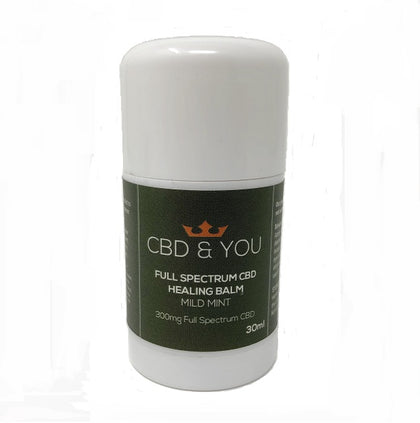
If you are looking at topical CBD skincare from independent brands, examine how they present CBD totals and COAs. For instance, premium formulations such as the Retinol 1% CBD 1000mg Intensive Anti‑Ageing Night Moisturiser or the Vitamin E CBD 600mg Radiance Revive Night Oil should present clear COAs and Novel Foods statements if they truly contain the CBD levels advertised. For a simple topical balm, see the Full‑Spectrum CBD Healing Balm. If a product is unscented and positioned as a moisturising lotion without cannabinoid claims, that may be a hemp seed‑based option such as the CBD Living Lotion Unscented 250mg — again, verify the COA and ingredient list to confirm the CBD content.
Pros and cons
Hemp seed oil skincare
- Pros: natural moisturiser, rich in essential fatty acids, generally lower cost, established supply chains and simpler production.
- Cons: negligible cannabinoids (including CBD) so it will not provide cannabinoid‑driven effects some users seek; marketing can be misleading.
CBD‑infused skincare
- Pros: contains measurable cannabinoids (when genuine) and may offer the sensory and wellness benefits users seek; potential for targeted product formulations.
- Cons: highly variable CBD content, requires COA and regulatory diligence; often higher price and potentially greater environmental footprint if sourcing and extraction aren’t transparent.
Recommendation — which should you buy?
If your priority is straightforward moisturisation, a high‑quality hemp seed oil product is an excellent, economical choice. If you specifically want the effects associated with cannabinoids, select a CBD product that ticks every box on the checklist: clear CBD mg statement, dated third‑party COA matching batch and SKU, explicit Novel Foods/FSA compliance, and transparent sourcing/extraction information. Always compare price‑per‑mg to gauge value and be sceptical of brands relying solely on hemp imagery or vague language.
Being an informed buyer in 2026 means reading labels and lab reports, not just admiring packaging. With a little scrutiny you can separate genuine CBD skincare from hemp seed oil formulations and choose the product that best fits your needs and values.
Conclusion
Hemp seed oil and CBD skincare serve different purposes. One nourishes with essential fatty acids; the other can deliver measurable cannabinoids — when it is transparent and compliant. For UK consumers, the most important steps are to verify ingredient lists, request dated COAs, confirm Novel Foods/FSA status and compare price‑per‑mg. Sustainability and sourcing transparency should be the final tie‑breaker. Armed with this checklist, you can shop confidently and choose intentionally.