
Wylde Blogs
CBD Transdermal Patch vs CBD Topical Balm: 2026 UK Buyer’s Comparison — Wear Time, Discreetness, COAs, Application, Travel & Disposal
Introduction
In 2026 the UK CBD market is more sophisticated than ever: consumers want transparency, convenience and formats that match specific wellness goals. Two popular topical formats — transdermal patches and topical balms — meet different needs. This guide compares them side‑by‑side on key features such as wear time, discreetness, bioavailability, application, travel and disposal so you can choose the best option for your lifestyle.
Feature-by-feature comparison
1. Delivery profile and wear time
Transdermal patches are designed for steady, controlled release. Modern patches commonly offer 12–24 hour delivery and some formulations claim multi‑day release. Typical commercial patches are formulated to deliver around 30mg over 24 hours; product formats exist in packs such as 30 x 30mg (a 900mg total format) for longer supplies. The appeal is continuous, low‑maintenance dosing over the wear period.
Topical balms act locally at the skin surface and within underlying tissues. They typically have a faster local onset — most users notice effects within roughly 15–45 minutes — but their effect is local and short‑lived compared with a steady patch, so reapplication is often necessary.
2. Systemic vs local effect (bioavailability)
Transdermal delivery can achieve higher systemic bioavailability than many oral routes because it bypasses first‑pass liver metabolism. Reported transdermal bioavailability figures vary but are commonly cited in the range of ~30–50%, while many oral delivery routes report lower systemic numbers (commonly ~6–20%). That makes patches a reasonable choice if you are seeking more consistent systemic levels rather than purely local action.
Topical balms principally act locally — they are favoured when the goal is targeted support for specific muscles, joints or skin areas rather than whole‑body exposure.
3. Onset and intended uses
- Patches: Slower to reach steady state but provide continuous delivery. Well suited to people looking for steady support through the working day, overnight or during travel.
- Balms: Faster local onset (15–45 minutes), ideal for targeted needs such as post‑workout recovery, concentrated joint or muscle attention, and topical skin care.
4. Discreetness and convenience
Patches are highly discreet and truly «set‑and‑forget»: once applied they sit under clothing and suit work, travel and overnight wear. Balms are portable and easy to apply on the go, but they require reapplication and can feel less discreet (some formulations have a scent or leave residue).
5. Application routine and wear comfort
Patches vary by manufacturer in recommended wear time and adhesive comfort — some adhesives can leave a light residue or irritate sensitive skin, so rotation of sites and patch testing is wise. Balms are applied directly and allow targeted massage, but repeated rubbing in may be inconvenient in certain situations.
6. Quality, COAs and legal compliance
Quality and transparency remain essential. UK shoppers should check Certificates of Analysis (COAs) from third‑party labs to verify cannabinoid content and low trace THC consistent with UK law. For ingestible formats the FSA’s novel food guidance applies; while patches and topicals are non‑ingestible, brands that sell ingestibles should be novel‑food compliant. Look for batch COAs, clear ingredient lists and brands that publish lab results.
7. Travel, packaging and disposal
Travel rules differ by format. Creams and balms may be treated as liquids/creams for airline security (the familiar 100ml bag for hand luggage), though many balm tins under 100ml travel easily. Patches are generally very travel‑friendly and discreet to carry. Disposal and recycling vary: balm tubs and tubes may be easier to recycle or reuse depending on material, while patches include adhesive and multilayer components that can be harder to recycle; adhesive residues and local waste rules should be considered.
Product examples
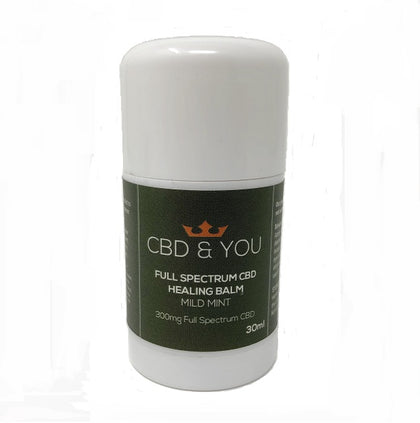
For reference, many modern patches on the market follow the steady‑release model; one readily recognisable option in retail is the CBD Living Topical Patch, which illustrates the discreet, set‑and‑forget approach. For a classic topical option, consider a balm such as the Full Spectrum CBD Healing Balm, designed for targeted application and easy portability.
Pros & cons
Transdermal patches — pros
- Continuous, steady delivery (12–24 hours or multi‑day options).
- Higher potential systemic bioavailability (~30–50% reported) and bypasses first‑pass metabolism.
- Very discreet and low‑maintenance — ideal for work, travel and overnight wear.
- Consistent daily dosing reduces the need to remember repeat applications.
Transdermal patches — cons
- Adhesive comfort varies; some users report residue or skin sensitivity.
- Disposal and recycling can be more complex than simple tins.
- Slower to reach steady levels; less suited to immediate, targeted local use.
Topical balms — pros
- Faster local onset (approx. 15–45 minutes), preferred for targeted relief and post‑exercise care.
- Easy to apply and massage into a precise area.
- Packaging (tubs/tubes) can be simple to recycle; small sizes carry well when travelling.
- Perceived as natural skin care — many formulations include supportive botanicals.
Topical balms — cons
- Effect is mainly local and typically shorter in duration; regular reapplication may be needed.
- Can feel less discreet; some balms have scent or leave a residue.
- Hand application can be inconvenient in public or professional settings.
Which should you choose?
If your primary motivation is steady, all‑day support for stress, sleep rhythms or systemic balance — goals that many UK consumers prioritise in 2026 (survey trends show approximately 42% seek stress relief, 38% better sleep and 29% pain management) — a transdermal patch is often the best fit because it supplies a controlled, continuous dose without repeated action.
If your focus is targeted, local care — for example immediate post‑workout attention, localized muscle and joint areas or a topical skin concern — a balm will usually be more effective and gratifying thanks to faster local onset and the ability to massage into the exact spot.
Practical tips for UK buyers
- Always check third‑party COAs and batch details before purchase.
- Choose products with clear THC trace statements and compliance with UK law.
- Test a patch on a small area first if you have sensitive skin; rotate sites.
- For travel, place balm tins in your 100ml liquids bag if required and carry a patch in your hand luggage for discreet use.
- Consider packaging materials when thinking about disposal — tins and tubes are often easier to recycle than multilayered patches.
Conclusion
Both transdermal patches and topical balms have a place in a modern CBD wellness routine. Patches offer unobtrusive, steady delivery and higher reported systemic uptake, making them well suited to daily supportive use. Balms deliver quick, localised care and tactile control for targeted needs. Your choice should reflect whether you want continuous systemic support or immediate local application — and always prioritise products with transparent COAs and clear legal compliance.
Whichever format you choose, start low, monitor how you feel and select reputable brands that publish third‑party test results.