
Wylde Blogs
How to Choose a CBD Shampoo & Conditioner in the UK (2026): COAs, Solubility, Surfactants and Stability Explained
Introduction
Premium CBD haircare has matured rapidly in the UK. By 2026, discerning buyers expect more than a hemp emblem on a bottle — they want clear lab proof, rigorous formulation and responsible ingredient choices. This guide explains the practical science behind CBD shampoos and conditioners so you can evaluate products with confidence: how to read a Certificate of Analysis (COA), why CBD’s chemistry matters for water-based hair products, how surfactants influence performance and scalp health, and what to check for leave‑in versus rinse‑off stability.
Key concepts
1. Certificates of Analysis (COAs): non‑negotiable transparency
Always ask for a third‑party COA from an independent, ISO 17025–accredited laboratory. A reliable COA confirms the labelled cannabinoid content (CBD, minor cannabinoids, THC) and tests for contaminants such as heavy metals, pesticides, residual solvents and microbial contamination. In practice look for batch‑specific certificates that match the product batch number and include limits of quantification (LOQs) and clear reporting units (mg/ml or mg/g).
2. CBD is lipophilic — formulation matters
CBD dissolves in oils, not water. To include CBD in water‑based shampoos and conditioners formulators must use appropriate solubilisers, emulsifiers or validated delivery systems (for example, polysorbate‑20 or more advanced solubilising technologies). Without an effective system you’ll see separation, uneven dosing and poor delivery to the hair or scalp. Brands should state the solubiliser used and provide stability data demonstrating consistent appearance and cannabinoid distribution over shelf life.
3. Surfactants: what they do and why choice matters
Shampoos rely on surfactants to cleanse. Traditional anionic surfactants such as SLS or SLES foam well but can strip natural oils and irritate sensitive scalps. Many premium CBD shampoos now use sulphate‑free, milder and biodegradable alternatives (amphoteric or mild anionic blends) to protect the scalp and help CBD remain on the hair surface rather than being washed away.
Conditioners typically include cationic surfactants (behentrimonium chloride, stearalkonium chloride) and fatty alcohols that deposit a conditioning film. These deposition mechanisms will influence how CBD binds or deposits onto the hair shaft and scalp. Heavy, highly occlusive conditioners can increase the chance of pore‑clogging or back‑acne on the hairline if left on skin.
4. Leave‑in vs rinse‑off: different stability and safety bar
Leave‑in formulas are intentionally lighter, relying on humectants, film‑formers and low levels of surfactant. They must demonstrate leave‑in stability (no separation or crystallisation) and low irritation potential because they remain on skin. Rinse‑off products can tolerate stronger surfactants but should provide evidence of how much active CBD is retained after rinsing — either through formulation rationale or retention testing.
5. Preservatives & microbial safety
Water‑based haircare needs robust preservation. Look for preservative systems such as benzyl alcohol/phenoxyethanol blends with ethylhexylglycerin and evidence of microbial testing on the COA. Microbial COA results (total viable count, yeast & mould, absence of pathogens) are essential — preservative choice and verification are non‑negotiable for safety.
6. Sustainability & ingredient transparency
UK buyers increasingly expect clear INCI lists, pH and stability data, biodegradable surfactants and recyclable or refillable packaging. Brands that publish pH ranges, stability test summaries and sourcing statements demonstrate the transparency premium consumers demand in 2026.
Details: how to evaluate a product, step‑by‑step
- Request the COA: Verify lab accreditation (ISO 17025), batch match, cannabinoid profile (CBD mg/g or mg/ml), THC limits and tests for heavy metals, pesticides, solvents and microbial contamination.
- Check the formulation notes: Is the product oil‑based or water‑based? If water‑based, which solubiliser/emulsifier is used (polysorbate‑20, PEG derivatives, or advanced nano/solubilisation systems)? Does the brand provide stability claims?
- Scrutinise surfactant choice: For shampoos favour sulphate‑free, biodegradable systems if you have a sensitive scalp. For conditioners, check for light, non‑comedogenic film‑formers if you’re prone to scalp or facial breakouts.
- Review preservative and microbial data: Look for explicit preservative systems and microbial COA sections showing compliance with cosmetic microbial limits.
- Look for pH/stability info: Hair and scalp prefer mildly acidic pH; a brand that publishes pH and accelerated stability results is more trustworthy.
- Watch for red flags: No COA, single non‑accredited lab, vague ingredient lists, lack of preservative details, strong perfumes masking formulation issues, or aggressive marketing claims that imply medical benefits.
Practical pairing ideas
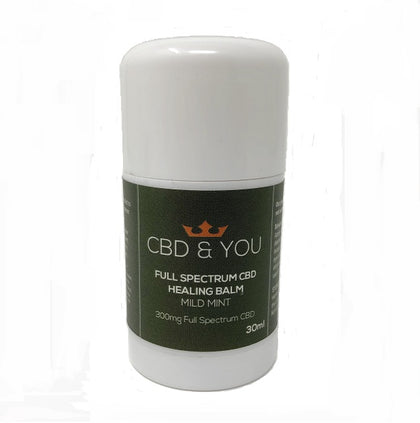
For a targeted pre‑wash scalp ritual, many people find a light oil useful — for example, a vitamin‑rich CBD oil used sparingly at the hairline can be massaged pre‑wash. If you enjoy that approach consider a soothing topical such as the Vitamin E CBD 600mg Radiance Revive Night Oil for a gentle overnight scalp massage (patch test first). For post‑wash dry patches the Full Spectrum CBD Healing Balm can serve as a targeted, occlusive option for localised areas — again, avoid heavy application where it might contact facial skin.
If you prefer unscented basics for sensitive skin, a neutral body or hand product like CBD Living Lotion Unscented 250mg can be used carefully around the hairline after styling when needed. For gentle cleansing of body areas that meet the scalp (e.g. shoulders, back), a mild bar such as CBD Living Soap 60mg may be appropriate.
Conclusion
Choosing a CBD shampoo or conditioner in 2026 requires more than brand imagery: demand ISO 17025 third‑party COAs, understand how CBD is solubilised in water formulas, prefer mild biodegradable surfactants and confirm preservative and microbial safety. Pay attention to leave‑in versus rinse‑off claims and avoid heavy, comedogenic formulations near the hairline. Brands that publish COAs, pH and stability data and use sustainable ingredients and packaging are the ones to trust for long‑term hair and scalp care.
If in doubt, ask the brand for the COA and formulation details — a transparent supplier will welcome those questions.