
Wylde Blogs
How to Read INCI Ingredient Lists on CBD Skincare in the UK (2026): Updated Labelling, What 'CBD' Looks Like, and Red Flags
Introduction
Cosmetic ingredient labelling can feel opaque, especially when products are marketed around a single ‘hero’ ingredient such as CBD. In the UK, however, INCI (International Nomenclature of Cosmetic Ingredients) provides a standardised, country‑neutral system that should make ingredient lists readable and reliable. This guide explains the updated 2026 labelling landscape, shows how CBD actually appears on a label, and gives practical tips and red flags to help you choose responsibly.
Key concepts: what INCI is and why it matters
INCI names are mandatory on UK cosmetic labels and offer a consistent way to list ingredients. They use Latin botanical names and standard chemical names so that consumers — including anyone with sensitivities or allergies — can identify ingredients reliably across brands and countries.
Order, concentration and the 1% rule
By regulation, ingredients must be listed in descending order of concentration until the 1% mark. Ingredients present at ≤1% (which often includes actives and many botanical extracts) may be listed in any order. That means a product can legitimately promote CBD on the front of the pack while the ingredient is near the bottom of the INCI list if its actual concentration is low.
How this affects what you read
- The first three to five ingredients typically form the bulk of the formula (water, humectants, emollients).
- If CBD or a hemp extract appears far down the INCI list, it may be present at low concentration — it could still be useful, but don’t assume prominence on the pack equals high dosage.
What ‘CBD’ actually looks like on an INCI list
Marketing copy will use friendly terms like “CBD oil” or “hemp extract”, but on an INCI label you'll usually see standard names. Common INCI entries for hemp/cannabis derivatives include:
- Cannabidiol — this is the INCI name for isolated CBD as a declared ingredient.
- Cannabis sativa (hemp) extract or Cannabis sativa flower/leaf extract — these indicate extracts from aerial parts of the plant and may contain cannabinoids.
- Cannabis sativa seed oil — a cold‑pressed seed oil, rich in fatty acids but typically contains negligible CBD (seed oil is not the same as a cannabinoid extract).
- Other variants such as Hemp oil may be used in marketing but the INCI will still adopt a standard botanical or chemical name.
When assessing a product’s CBD content, look for Cannabidiol or a supplier COA (certificate of analysis) showing mg per ml or mg per gram, rather than relying on the presence of seed oil alone.
Botanical naming, fragrance and colourants: what to watch for
Botanical ingredients are listed using Latin names (e.g., Lavandula angustifolia) which helps avoid ambiguity. However, two common labelling practices can obscure details:
- Fragrance is frequently listed simply as Parfum — this umbrella term can conceal allergenic components. Look for additional lines or an allergens list; common fragrance allergens such as limonene or linalool may be declared separately.
- Colourants can be listed individually (e.g., CI numbers) or placed in a “may contain” section, which makes it harder to identify specific dyes or potential sensitizers.
Preservatives, stabilisers and essential safety signals
Preservatives and stabilisers must be declared on INCI lists. These ingredients (for example phenoxyethanol, ethylhexylglycerin, sodium benzoate) are important for formula safety and shelf stability. The absence of any declared preservative in a water‑based product can be a red flag — it may indicate an unstable formula or a product with a very short shelf life.
Antioxidants such as Tocopherol (Vitamin E) are often included to protect oils; these appear on INCI lists and help you understand a product’s stability strategy.
Regulatory updates and what to look for in 2026
Recent UK and European updates to cosmetic guidance and INCI glossaries have forced many brands to refresh their labelling. As a consumer, look for:
- Clearly dated packaging or batch codes and an accessible COA from the supplier.
- Updated INCI names replacing older or ambiguous terms.
- Manufacturer contact details or a QR code linking to full ingredient breakdowns and testing documentation.
Fresh packaging and supplier documentation are good signs that a brand is keeping pace with regulatory changes.
Practical checklist: read the label like a pro
- Scan the first 3–5 INCI entries to understand the base of the formula (water, glycerin, oils).
- Search the INCI for “Cannabidiol”, “Cannabis sativa extract” or “Cannabis sativa seed oil” and note their position.
- Check for declared preservatives: phenoxyethanol, ethylhexylglycerin, sodium benzoate, or other recognised preservatives.
- Note if Parfum sits high in the list — heavy fragrance can be sensitising for some users.
- Avoid products with long chains of PEGs or prominent petroleum derivatives (Paraffinum Liquidum, Petrolatum) if you prefer cleaner formulations.
- When in doubt, request the COA or contact the brand for cannabinoid potency and full extract declaration.
Red flags to spot
- Parfum high on the list — fragrance in large amounts can mask other ingredients and increase sensitivity risk.
- Alcohol Denat. near the top — may be drying for some skin types.
- No clear preservative listed in a product that contains water.
- Ambiguous hemp terms — only seeing ‘seed oil’ when the marketing promises CBD is a cue to ask for a COA.
- Long lists of PEGs or petroleum derivatives if you’re avoiding these materials.
Examples in practice
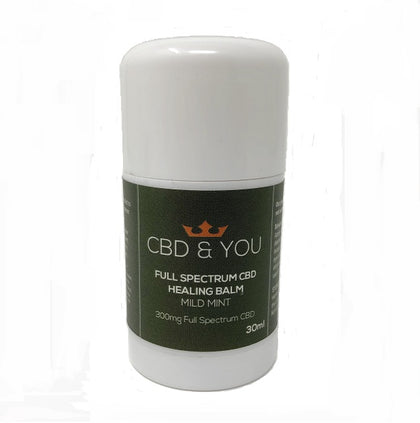
For topical skincare items, many customers prefer simple, clearly labelled formulas. If you favour a soothing topical balm, for example, look at products that declare full botanical names and preservatives clearly — a healing balm that lists a hemp extract or Cannabidiol in the INCI and includes recognised stabilisers is easier to assess. Explore options such as the Full Spectrum CBD Healing Balm if you want to examine a balm INCI in practice. For unscented lotions, an item labelled clearly with the CBD content and a preservative system — for instance the CBD Living Lotion Unscented 250mg — can simplify ingredient comparisons.
Conclusion
Reading INCI lists gives you the tools to cut through marketing and make informed choices about CBD skincare. Look for standard INCI names such as Cannabidiol or Cannabis sativa extract, check where these appear relative to the 1% rule, and be alert to missing preservatives, heavy fragrance or ambiguous hemp claims. When brands supply clear, recently updated labelling and accessible supplier documentation, it indicates a higher level of transparency — and that helps you shop with confidence.
Want a quick reference? Keep the checklist above handy next time you pick up a jar or click ‘add to basket’ — small label details can tell you a great deal about what you’re actually buying.