
Wylde Blogs
How to run a compliant CBD sampling stall at UK festivals & markets in 2026 — step-by-step checklist
Introduction
Running a CBD sampling stall at festivals or markets is a powerful way to introduce your brand — but since the 2025–26 regulatory changes the compliance bar is much higher. This guide sets out a calm, practical checklist to help traders navigate permits, Certificates of Analysis (COAs), microdose samples, labelling, insurance and venue policies so you can sample responsibly and avoid last-minute refusals or delisting.
Problem statement: why compliance matters now
Since the FSA update in 2025 introduced a provisional Acceptable Daily Intake (ADI) of 10 mg CBD/day and a provisional THC limit of 0.07 mg/day, venues, insurers and regulators are scrutinising samples and packaging closely. Only products on the FSA’s CBD Public List linked to validated novel food applications are permitted to remain on the UK market — non‑compliant stock risks being refused entry to events or removed from retail channels. The practical challenge for traders is to offer attractive microdose samples while meeting strict documentation, labelling and safety expectations.
Common causes of stalls being refused or delisted
- Lack of batch-specific COAs or inaccessible lab reports.
- Samples that exceed the provisional ADI or have unquantified THC risk.
- Insufficient permits, risk assessments or public liability insurance (PLI) that explicitly excludes CBD/novel‑food cover.
- Packaging that fails to declare CBD amount per sample, ingredient lists or lacks child‑resistant features where expected.
- Event organisers requiring a recognised food/hygiene certificate for edible samples and traders arriving without proof.
Step-by-step solutions
Follow this checklist in order when planning your stall. Treat compliance as part of the customer experience — clear labelling and visible COAs build trust and reduce friction with organisers.
1. Confirm product regulatory status
- Check every SKU is listed on the FSA CBD Public List and linked to a validated novel food application. If a product is not listed, do not sample or sell it at events.
- Keep a copy (PDF or print) of the FSA listing for each product and bring it to the event.
2. Secure permits and paperwork
- Apply early for any trader permits the organiser requires. Typical requests include registration, trading licence and site-specific permissions.
- Prepare a short, stall-specific risk assessment covering handling, sampling and hygiene.
- Ensure at least one member of staff holds a recognised food hygiene certificate if offering edible samples — many organisers insist on this.
3. Obtain and present COAs
- Have batch-specific COAs from accredited third‑party labs for every product on your stall. COAs must show CBD and THC results and method/LOD details.
- Make COAs immediately accessible: best practice is a QR code on sample packaging or a printed folder and QR display at the stall. Venue staff and customers should be able to view reports within seconds.
4. Design microdose samples correctly
- Keep single samples below the provisional ADI — we recommend well under 10 mg CBD per sample (for example 2.5–5 mg) to provide a safety margin.
- Minimise THC risk by using broad‑spectrum or THC‑removed formulations for edible samples. If your standard SKU is full‑spectrum, consider producing dedicated microdose sampling units or offering topical demos instead.
- If sampling products such as Wylde CBD Gummy Bears (10mg), portion each piece into smaller measured servings and label the CBD per portion clearly.
- Consider low‑dose formats like mint samples or drink enhancers. For example, small breath mints or a controlled dose of a CBD Drinks Enhancer can be easier to‑dose.
5. Clear, compliant packaging and labelling
- Labels must show the amount of CBD per sample, full ingredients, allergen declarations and batch/lot numbers where relevant.
- Expect child‑resistant packaging requirements for certain formats — check the organiser’s rules and have compliant closures ready.
- Provide a visible QR code linking to the product’s COA and FSA listing; displaying both reduces queries and demonstrates transparency.
6. Insurance and venue pre‑clearance
- Obtain public liability insurance that explicitly covers CBD and novel‑food products; insurers may refuse to cover non‑FSA‑compliant lines.
- Pre‑clear each product with the venue — email COAs, FSA listing evidence and your risk assessment before the event to avoid a refusal at setup.
- Bring printed copies of your PLI, COAs and hygiene certificates to present on arrival.
7. On-site procedures and staff training
- Train staff to explain dosing clearly without making medical claims — use phrases such as “many customers find” or “may support wellbeing”.
- Control portioning: use sealed single‑serves or pre‑measured utensils to avoid accidental over‑dosing.
- Keep a guestbook or log for queries or adverse event reports — this shows good governance and helps with insurer or organiser enquiries.
Prevention tips — avoid last‑minute problems
- Audit your product list monthly against the FSA Public List and relabel or reformulate non‑compliant SKUs without delay.
- Standardise QR‑enabled COA displays and printed evidence packs so you can present them quickly at any venue.
- Set internal SOPs for microdosing (e.g. maximum CBD per sample, allowed formats) and enforce them before every event.
- Build relationships with event organisers and insurers — pre‑approvals dramatically reduce the chance of being turned away.
Practical examples of compliant sampling
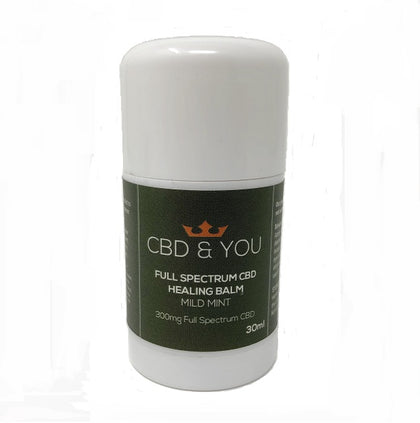
For a friendly daytime market, offer clearly labelled microdose mints or quartered gummies with QR-linked COAs; consider using a measured droplet from a controlled oil for demonstration only (keep doses below the ADI) and provide topical samples such as a small smear of Full-Spectrum CBD Healing Balm for external testing where permitted. Small pre-wrapped microdose gums or mints such as Mr Moxey’s Mints are often easier to portion and label on the spot. For flexible dosing at events consider having measured drops from Wylde Cold‑Pressed Drops with clear measurement guidance.
Conclusion
Compliant CBD sampling in 2026 requires preparation, clear documentation and a conservative approach to dosing. Prioritise FSA-listed products, accessible batch COAs, microdosing well below the provisional 10 mg ADI, appropriate labelling and insurance that explicitly covers CBD/novel‑food lines. With these measures in place you’ll reduce the risk of refusals, build trust with customers and organisers, and create a professional festival or market presence that stands the test of scrutiny.