
Wylde Blogs
How to Start a Career in the UK CBD Industry in 2026: Entry-Level Roles, Salaries, Funded Training and Hiring Tips
Introduction
The UK CBD sector in 2026 is maturing: retail boutiques, specialist producers and testing labs all need staff who combine practical skills with a clear understanding of regulatory duty. For people starting out, the industry offers a range of entry points from shop floor roles to production, extraction and quality support. This guide outlines common entry-level roles, realistic pay expectations, funded training routes and practical hiring advice to help you take the first steps with confidence.
Key concepts
What counts as entry-level in the CBD sector?
Entry-level jobs are roles that typically require little or no direct cannabis-sector experience but do expect transferable skills. Common roles include:
- Budtender / retail advisor — front-of-house roles that combine product knowledge, customer service and age-verification responsibilities.
- Production / cultivation assistant — hands-on support in small-scale cultivation or processing facilities.
- Extraction technician / production operative — work supporting solvent, CO2 or cold‑press extraction under supervision.
- Quality assurance (QA) & compliance support — administrative and operational tasks to help maintain records, batch traceability and basic testing workflows.
What employers prioritise
Recruiters commonly favour candidates who demonstrate strong customer-service experience, good record-keeping and basic laboratory or manufacturing skills. Knowing how to follow standard operating procedures, maintain hygiene standards and complete accurate logs is often more valuable than prior CBD experience for many beginner roles.
Details
Realistic entry-level salaries
Typical entry-level salaries in the UK CBD and cannabis-adjacent sector generally start around £25,000 per year, though there is variation by role, location and employer. Retail-facing roles in high-cost cities or those with advanced responsibilities can exceed this, while smaller operations or apprenticeships may start slightly below it. Two important drivers in 2026 are regional wage shifts (for example the National Living Wage rise in April 2026) and competition for compliance-skilled staff, both of which are lifting baseline pay in many vacancies.
Funded training routes and on-the-job learning
The UK government continues to fund Skills Bootcamps, apprenticeships and other employability programmes in 2026. These schemes are particularly useful because they combine classroom learning with practical workplace experience and can be used to gain skills relevant to CBD roles — from basic laboratory techniques to health & safety, HACCP-style food safety for edibles, and business compliance modules.
Many employers recruit apprentices or hire through Skills Bootcamps to fill production and retail roles; these routes reduce the cost of training for employers and improve your chances of being offered a permanent position after a placement. For technical lab and QA positions, employers still favour candidates with science qualifications (chemistry, biology) or equivalent formal training, though some entry-level lab roles will accept candidates who complete an accredited vocational course combined with strong on-site mentoring.
Where to start: transferable skills that matter
- Retail & customer service: clear communication, sales ability and age-verification experience are essential for budtenders.
- Regulatory awareness: working knowledge of labelling, traceability and record-keeping is highly valued — compliance roles are among the fastest-growing functions in the sector.
- Basic lab/manufacturing skills: pipetting, weighing, simple QC checks and an understanding of hygiene and PPE will make you a stronger candidate for production or extraction assistant roles.
On-the-job training vs academic routes
Many producers and retailers offer on-the-job training for production and retail roles. In contrast, QA and laboratory positions typically prioritise candidates with formal science training or vocational laboratory certificates. If you aim for a QA or analytical role, combining an entry-level job with evening or part-time lab courses is a sensible pathway.
Practical hiring tips
- Tailor your CV: emphasise transferable skills — inventory control, SOP adherence, customer service metrics and any regulated-industry experience (food, cosmetics, pharma supply chain).
- Show regulatory literacy: mention any training in product safety, labelling law, health & safety certifications or familiarity with batch records and Certificates of Analysis.
- Use funded programmes: search for employers recruiting through Skills Bootcamps and apprenticeships — these roles are often advertised as funded or training-supported.
- Prepare for practical assessments: production and lab roles may include basic practical tests (weighing, sample preparation). Brush up on measurement accuracy and lab hygiene.
- Network in the sector: join specialist groups, follow cannabis/H&C recruitment agencies and attend industry events to meet hiring managers.
Best job-hunting channels
Mainstream sites such as Indeed, Reed and LinkedIn still list most vacancies. For niche roles, specialist cannabis and health‑and‑wellness recruiters can be more effective — they often have direct pipelines to producers, boutiques and labs. Local wage changes and regulatory shifts in 2026 mean retailers are increasingly advertising regionally adjusted pay, so keep an eye on local job boards as well.
Examples of product knowledge for retail roles
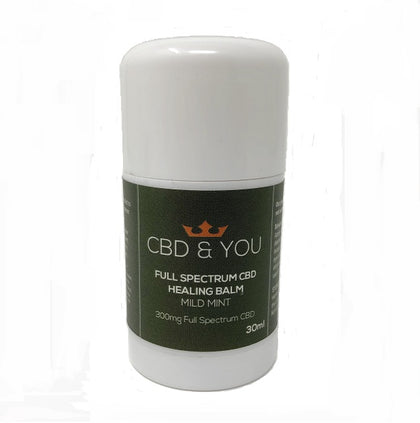
As a budtender you will be expected to explain differences in format and intended use without making medical claims. Familiarity with common SKUs helps — for instance, many teams will use full-spectrum oils and balms as examples in training. Real-world retail learning might include hands-on time with products such as Wylde Natural Cold-Pressed Drops 1000mg CBD Oil 10ml, sampling and explaining serving sizes for items like Wylde CBD Gummy Bears 30x 10mg CBD per bear Full Spectrum, or guiding customers through topical options such as the Full Spectrum CBD Healing Balm. For vape or e‑liquid queries, a basic awareness of products like CanaVape Blue Dream Complete CBD E‑Liquid 1800mg 50ml and relevant safety guidance will be useful — always stick to manufacturer usage guidance and regulatory compliance when advising customers.
Conclusion
Starting a career in the UK CBD industry in 2026 is realistic with the right combination of transferable skills, funded training and practical preparation. Focus on building customer‑service strengths, regulatory literacy and basic lab or manufacturing competence. Use Skills Bootcamps or apprenticeships where possible, target vacancies on mainstream and specialist channels, and be ready to demonstrate accuracy and professionalism in practical assessments. With demand growing particularly for compliance and QA functions, candidates who pair curiosity with demonstrable process discipline will find strong opportunities across retail, production and laboratory roles.