
Wylde Blogs
How UK CBD expiry dates are set in 2026: accelerated stability testing for oils, gummies & topicals and the 8 checks every retailer must make
Introduction
As the UK CBD market matures, expiry dates are moving from vendor intuition to scientific substantiation. Many products on shelves today carry 1–2 year shelf‑life claims, but regulators expect those claims to be supported by credible stability data rather than guesswork. This article explains the accelerated stability testing methods commonly used for oils, gummies and topicals, the analytical attributes that govern shelf life, and the eight essential documentation and verification checks every retailer should make before stocking a CBD product.
Key concepts: what is accelerated stability testing and why it matters
Accelerated stability testing is a laboratory approach that uses elevated stress conditions—higher temperature, controlled humidity and intensified light exposure—to speed up degradation reactions so longer‑term behaviour can be predicted in months rather than years. Typical accelerated sampling points are 0, 3 and 6 months. These data are often extrapolated to support approximate 1–2 year shelf‑life claims.
Regulatory-style guidance (in the spirit of ICH/EMA approaches) expects stability evidence from at least three production batches, or a documented commitment to place three batches on long‑term studies, to underpin a shelf‑life claim. Importantly, regulators and precedent from other jurisdictions caution against relying only on accelerated data to justify very long expiry periods; combining real‑time (ambient) and accelerated data is recommended if a manufacturer claims >2 years.
What laboratories typically measure
- Potency (CBD assay) — tracking the cannabinoid content over time to detect loss or assay drift.
- Appearance — colour, clarity and phase separation for oils and emulsions.
- pH — especially for aqueous topical systems and some edible formats.
- Microbiology — total viable counts and pathogens for edibles and topicals where water activity permits microbial growth.
- Excipient interactions — degradation or reaction of carriers, emulsifiers, flavours or botanical extracts that can change stability.
- Packaging compatibility — migration, adsorption or ingress of oxygen/moisture through the container that affects product integrity.
How testing differs by format: oils, gummies and topicals
Different product formats age for different reasons. Understanding those mechanisms is vital when interpreting stability data.
Oils (sublingual/dropper oils)
Carrier oil oxidation is the primary threat. Unsaturated carriers, light and oxygen accelerate rancidity and can alter CBD assay results. Robust studies will include peroxide values and CBD potency over time, and will test in the final retail packaging. An example of a product category commonly assessed this way is the Wylde natural oil range such as the Wylde Natural Cold‑Pressed Drops 1000mg CBD Oil (10ml).
Gummies and other edibles
Edibles combine potency loss with moisture and microbiological risk. Flavourings and botanicals can introduce reactive components. Accelerated studies track water activity, texture, appearance and microbial parameters as well as CBD assay. For chewable formats, a real example to consider is Wylde CBD Gummy Bears (30 x 10mg), where packaging and desiccation strategy materially affect shelf life.
Topicals and balms
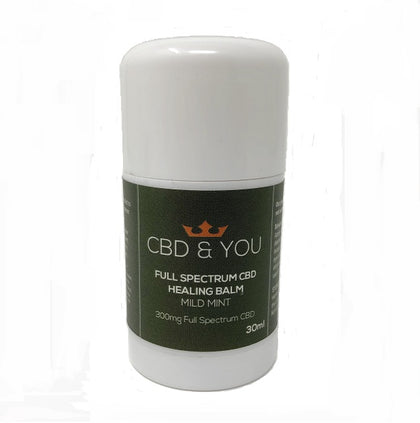
Topicals must be tested for microbial stability (preservative efficacy), pH, rheology (texture) and chemical compatibility between CBD and cosmetic actives. Botanicals or active ingredients (for example, a retinol formulation containing CBD) can accelerate instability and require careful real‑time confirmation. See topical examples such as the Full‑Spectrum CBD Healing Balm and the CBD‑infused retinol night moisturiser Retinol 1% CBD 1000mg Night Moisturiser.
Practical factors that shorten shelf life
- Carrier oil oxidation (especially in unsaturated oils).
- Light and air exposure — clear containers and poor seals accelerate degradation.
- Added flavours or botanicals that introduce unstable compounds or microbes.
- Poor packaging design — non‑airtight lids, permeable plastics or lack of oxygen scavengers.
The 8 checks every retailer must make
Before listing a CBD product, retailers should insist on verifiable documentation and be prepared to refuse stock that lacks appropriate evidence.
- Printed expiry or Period‑After‑Opening (PAO) — visible on the product and supported by data.
- Batch number and traceability — clear batch identifiers linked to COAs and production records.
- Certificate(s) of Analysis (COA) — up‑to‑date COAs showing CBD potency and THC/legal limits for the exact batch.
- Stability‑study summary — accelerated data (typical 0, 3, 6 months points) plus any available real‑time data and methodology notes.
- Evidence of three‑batch data or commitment — documentation showing three production batches are on study or that three batches were used in the study, consistent with ICH/EMA‑style expectations.
- Microbiology and preservative efficacy — for edibles and topicals, test results and preservative challenge data where applicable.
- Packaging compatibility report — statements on container performance, oxygen/moisture ingress testing and recommended storage conditions.
- Regulatory & quality evidence — proof of adherence to FSA/GMP guidance, novel‑food position (where relevant) and other applicable UK food or cosmetic controls.
Conclusion
Expiry dates in 2026 are evidence‑driven. Accelerated stability testing is a practical and widely used tool to predict shelf life, but it should be combined with real‑time data when claims exceed two years. Retailers carry a duty of care to insist on traceable batch information, COAs and stability summaries, and to understand how packaging, carriers and added ingredients affect longevity. By demanding the eight checks above, retailers protect customers and their own reputations while helping the sector become more transparent and trustworthy.