
Wylde Blogs
UK 2026 Step-by-step, Fabric-specific Guide: How to Remove CBD Oil Stains from Clothes, Carpets & Upholstery
Introduction — act fast, stay calm
CBD oils and topical blends are part of many modern wellness routines, but a stray drop on a favourite shirt or sofa can be disheartening. The good news is that most CBD/oil stains can be lifted if you act correctly and avoid common mistakes. This guide gives clear, fabric-specific steps for immediate action, the right cleaners to use, and how to prevent a small spill becoming a permanent mark.
Problem statement: Why CBD oil stains are tricky
CBD products are oil-based. Oil passes into fibres and carpets and — unless removed — will bind and discolour fabric. Crucially, applying heat (hot water, tumble drying or ironing) before the stain is fully gone will "set" the oil, making removal much harder or impossible. Keep fabrics cool and dry until you are sure the stain has been removed.
Common causes of stubborn stains
- Delay in treating the spill — allowing oil to penetrate deeper into fibres.
- Using hot water, an iron or a tumble dryer too soon, which fixes oil pigments.
- Over-wetting upholstery or carpets with cleaners that push oil deeper or cause fibre distortion.
- Applying harsh solvents on delicate fabrics (silk, wool, leather) without testing first, causing colour loss or surface damage.
Immediate steps (do these first)
- Do not apply heat. Never tumble dry, iron or use hot water until the stain is fully removed — heat will set CBD/oil stains permanently.
- Blot, don’t rub. Use a clean paper towel or cloth to blot up excess oil gently. Rubbing spreads the stain and pushes oil deeper.
- Use an absorbent powder. Sprinkle baking soda, cornstarch or talc liberally over the wet spot and let it sit for 10–30 minutes to lift surface oil. Then brush or vacuum it away and repeat if needed.
Fabric-specific solutions — step-by-step
1. Washable clothes (cotton, polyester blends)
If the garment is machine-washable:
- After blotting and powdering, gently brush off the absorbent powder.
- Pre-treat the stain with a few drops of grease-cutting dish soap directly onto the mark and work it into the fabric with a soft-bristled brush or your fingers. Alternatively make a paste of baking soda + dish soap and apply it to the stain for 10–15 minutes.
- Launder in cold water using an enzyme-based laundry detergent (enzymes help break down oils). Avoid hot cycles.
- Air-dry and inspect. If any staining remains, repeat the pre-treatment and wash again. Only use heat (tumble dry or iron) once the stain is completely gone.
2. Delicate fabrics (silk, wool, cashmere)
- Blot excess oil, sprinkle a light layer of absorbent powder and leave for 10–20 minutes.
- Brush powder away and dab the stain with a cloth dampened with cool water and a tiny amount of mild dish soap. Avoid vigorous rubbing.
- Rinse carefully with cool water and lay flat to dry. For valuable items, consider dry-cleaning and tell the cleaner what the stain is.
3. Carpets and rugs
- Gently scrape or blot excess oil; sprinkle baking soda or cornstarch and leave for at least 15 minutes, then vacuum.
- Apply a small amount of rubbing alcohol on a clean white cloth and dab the stain from the outside in — use sparingly and never over-saturate. Test for colourfastness first in a hidden spot.
- If oil persists, a cautious ammonia solution can help: mix 1 tablespoon of household ammonia with ½ cup (approx. 120 ml) of water. Use sparingly, ventilate the room well and test a hidden area for colourfastness before applying. Blot — do not soak — and rinse by dabbing with a cloth dampened with cool water.
- Finish by blotting dry and allow to air-dry fully before resuming normal use.
4. Upholstery (fabric sofas, armchairs)
- As with carpet: blot and powder first. Lightly brush away powder.
- Use minimal rubbing alcohol on a white cloth to lift the stain, working from the edges inwards. Alternatively, a mild detergent solution (a few drops of dish soap in 250 ml cool water) can be dabbed on sparingly.
- Avoid over-wetting; excessive moisture can damage padding and backing. Always test a hidden seam for colourfastness.
5. Leather
- Leather is sensitive — do not use alcohol, acetone or harsh solvents.
- Blot away excess oil gently, then create a mild soap foam (a little mild soap mixed with water, whipped to a foam). Apply the foam with a soft cloth, using light circular motions.
- Wipe away foam and dry immediately with a soft cloth. Condition leather once dry to restore suppleness. If in doubt, consult a professional leather cleaner.
6. Stubborn or set-in stains
If the stain has been heated or has deeply set, stronger solvents such as acetone, WD-40 or lighter fluid can sometimes lift oil. These are a last resort:
- Always patch-test in an inconspicuous area.
- Use sparingly in a well-ventilated space and avoid delicate fabrics and leather unless recommended by a pro.
- If you’re uncomfortable using solvents, seek professional cleaning to avoid damaging the fabric.
Helpful product note
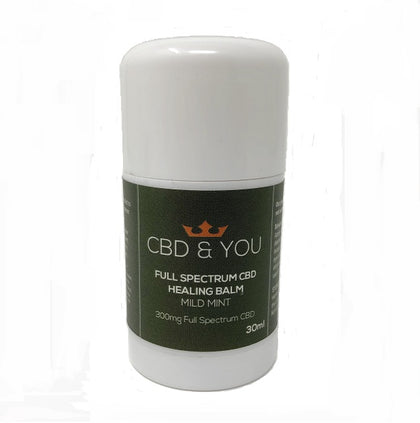
Many CBD products come in oil-rich formulations — for example, concentrated droppers like the Wylde Natural Cold-Pressed Drops or topical blends such as the Full-Spectrum CBD Healing Balm and the Vitamin E CBD Radiance Night Oil. A spill from any oil-based product behaves the same way — treat it quickly, blot and avoid heat.
Prevention tips
- Store oils upright and keep droppers capped immediately after use.
- Open and use products over a sink or a washable tray to catch drips.
- Wipe bottle necks and droppers with a tissue after dispensing to prevent accidental transfer to fabric.
- Keep a small stain kit at home: absorbent powder (baking soda), clean white cloths, a mild dish soap and a small spray bottle of cool water.
Conclusion — prompt action preserves your fabrics
Most CBD oil stains are manageable if you act quickly, use absorbent powders, pre-treat with grease-cutting soap and avoid heat until the mark is gone. For carpets, a cautious ammonia dilution can help, while leather needs gentle soap foam and immediate drying. For set-in stains consider a professional cleaner or careful use of stronger solvents as a last resort. With the right steps and a calm approach, you can protect your clothes, upholstery and carpets and keep your home looking pristine.