
Wylde Blogs
UK women, CBD topicals & suppositories for period pain: navigating the FSA 10 mg/day advice and emerging 2024–2026 evidence
Introduction
Across the UK, more women are exploring CBD for menstrual and pelvic pain relief, particularly in topical forms such as balms, gels and suppositories. Media stories and social conversations often move faster than the science, so it helps to separate what we know from what remains uncertain. This article unpicks the Food Standards Agency’s (FSA) 10 mg/day guidance, summarises relevant 2024–2026 evidence, and offers practical, safety‑focused steps for those interested in topical CBD approaches — all without making medical claims.
What the FSA guidance means for reproductive‑age women
In October 2023 the UK Food Standards Agency advised healthy adults to limit cannabidiol (CBD) from food to 10 mg per day, and warned that CBD should not be used by pregnant or breastfeeding women or those trying to conceive. This is a precautionary public‑health recommendation rooted in remaining uncertainties about long‑term safety and reproductive effects. For anyone using edible CBD products such as gummies, the 10 mg/day limit is a clear practical threshold to bear in mind.
Topicals and the FSA limit
Topical products — creams, balms, patches and suppositories — are often perceived as localised and therefore safer when used for period pain. Some users report targeted relief with topical application, but the FSA’s cautious stance still informs the broader conversation because systemic absorption can occur with some formulations and routes. If you’re using a topical for pelvic discomfort, it’s sensible to consider total daily CBD exposure from all sources.
What recent evidence tells us (2024–2026)
The evidence base for CBD in primary dysmenorrhoea (period pain without underlying pelvic pathology) remains limited and heterogeneous. High‑quality randomised controlled trials (RCTs) specifically testing CBD for primary menstrual pain are lacking. That said, a growing number of reviews and observational studies between 2024 and 2026 have examined cannabis and cannabinoid use in gynaecological pain.
- A 2026 scoping systematic review of cannabis use in endometriosis and pelvic pain found that many people report subjective pain relief in surveys, with reported efficacy ranging widely (for example, 57–95% in some observational surveys). The review emphasised that most data are observational and heterogenous in dosing, route and formulation.
- Recent UK academic reviews have noted increasing real‑world evidence and called for well‑designed RCTs in gynaecological pain conditions such as endometriosis and chronic pelvic pain.
- Smaller observational reports and patient surveys suggest local/topical routes (gels, suppositories, balms) may offer more targeted relief for menstrual and pelvic pain than inhaled or systemic forms, but robust comparative RCT data are not yet available.
Safety, interactions and professional guidance
Professional bodies and regulators remain cautious. For example, ACOG guidance (2024) and UK regulators stress the need for more clinical pharmacology data and larger trials. NICE and UK pain guidance continue to advise against routine use of cannabis‑based products for chronic pain outside clinical trials, reinforcing the need for condition‑specific research.
Key safety considerations emerging from reviews and regulatory advice include:
- Reproductive precautions: Avoid CBD during pregnancy and breastfeeding, and when trying to conceive, in line with the FSA advice.
- Drug interactions: CBD is metabolised by liver enzymes and may affect the metabolism of other medicines. Guideline authors highlight interactions as an area of particular concern — notably with commonly used painkillers such as NSAIDs and with hormonal contraception — so medical supervision is prudent when combining products.
- Product quality and dosage consistency: Observational studies highlight wide variation in CBD concentration and formulations. Checking third‑party lab reports (COAs) and buying from reputable suppliers reduces uncertainty about dose and contaminants.
Topical, suppository and systemic routes — what to expect
Different routes offer distinct user experiences and potential trade‑offs:
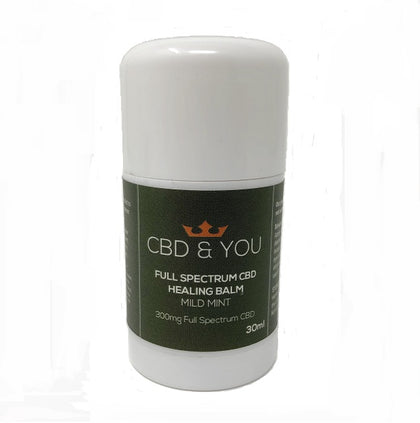
- Topical balms and gels: These are applied to the skin and may offer localised symptomatic relief; some users prefer them to systemic forms. If you’re trying a topical, choose products with clear labelling and verified cannabinoid potency — for example, a targeted balm such as the Full-Spectrum CBD Healing Balm or a cooling formulation like CBD Living Freeze 1500mg Body which are examples of topical approaches some users explore.
- Patches: Transdermal patches aim to deliver cannabinoids over time; they can be easier to dose but still carry the possibility of systemic absorption. A patch option can be seen in products such as the CBD Living Topical Patch.
- Suppositories: Vaginal or rectal suppositories may provide local delivery to pelvic tissues. Some small observational reports suggest users experience targeted relief, but scientific comparisons with other routes remain preliminary. Because suppositories can still result in systemic exposure, they are not exempt from the FSA’s broader safety context.
- Massage oils and combined approaches: Massage oils can combine manual therapy with topical cannabinoids; for a fragranced option some people choose products like the Wylde Entourage Massage Oil (bergamot & lavender) for a sensory‑focused routine.
- Systemic edibles: For completeness: edible products such as Wylde CBD Gummy Bears are systemic and therefore relevant to the FSA 10 mg/day guidance — many edibles contain 10 mg or more per piece, so watch cumulative intake.
Practical, safety‑first steps (a measured approach)
If you’re considering topical CBD or suppositories for menstrual or pelvic discomfort, here are pragmatic steps many clinicians and recent reviews recommend:
- Start low, go slow: Begin with a small amount and give your body time to respond rather than escalating quickly.
- Track total CBD exposure: Include any edibles, tinctures or topical products in a daily tally — this matters in the context of the FSA’s 10 mg/day food guidance.
- Check lab reports: Buy products with third‑party Certificates of Analysis so you know the cannabinoid content and absence of contaminants.
- Discuss medications: If you use NSAIDs, hormonal contraception or other regular medicines, seek personalised advice from a clinician about potential interactions — guideline authors specifically flag this as an area requiring caution and research.
- Avoid during pregnancy/breastfeeding: Follow the FSA advice and refrain from CBD use in these circumstances.
Conclusion
Interest in CBD topicals and suppositories for period pain reflects real unmet need and promising user reports, but the science has not yet produced definitive guidance. The FSA’s 10 mg/day precaution, professional bodies’ calls for more research, and the variable quality of existing observational data all counsel a careful, evidence‑minded approach. If you choose to experiment with topical CBD, select high‑quality products, monitor your total CBD intake, start low and go slow, and consult a healthcare professional about medications and reproductive considerations. Well‑designed clinical trials remain essential to clarify who may benefit, which routes are most effective, and what safe dosing looks like for people with menstrual and pelvic pain.