
Wylde Blogs
2026 Guide for UK CBD Brands: Choosing a Contract Manufacturer — UK vs EU vs China
Introduction
Selecting a contract manufacturer is one of the most consequential choices a CBD brand will make. Beyond unit cost, manufacturing location affects lead times, regulatory support, Certificate of Analysis (COA) reliability, customs and tariff exposure, and whether your product can cleanly meet the UK's strict THC ceiling. This practical comparison of UK, EU and China manufacturers focuses on the operational realities UK brands face in 2026 so you can weigh risk versus price with clarity.
Feature-by-feature comparison
COA reliability & lab accreditation
COAs are non-negotiable for UK retailers and Trading Standards checks. UK and EU labs commonly operate to ISO 17025 standards and produce COAs in formats accepted by Trading Standards and the FSA. That makes verification straightforward when sourcing domestically or from the EU.
- UK: Easier to audit third-party labs, straightforward batch traceability and seed‑to‑sale paperwork. Domestic labs and manufacturers are typically familiar with the one‑milligram per container rule and will supply batch‑specific COAs aligned to UK expectations.
- EU: Many ISO 17025 labs; COA formats are generally acceptable in the UK but always verify accreditation and chain of custody. Some EU suppliers facilitate flexible ingredient COAs (eg. for isolates or pre‑batches).
- China: Some reputable labs exist, but buyers must be rigorous: confirm ISO 17025 accreditation, independent sampling, clear batch traceability and that the COA reflects the finished product as imported. History shows higher incidence of invalid or mismatched COAs when paperwork isn’t tightly controlled.
Lead times & fulfilment
- UK: Fastest fulfilment — restocks can often be fulfilled in days. This is a major advantage for retailers and subscription models that depend on short lead times.
- EU: Typical delivery windows are 2–6 weeks. Reasonable for planned launches but less flexible for urgent restocks.
- China: Headline production costs may be lower, but sea freight commonly adds 4–8+ weeks; air freight reduces time but increases cost markedly. Expect longer overall lead times and less control over expedited restocking.
Minimum order quantities (MOQs) & scaling flexibility
- UK: MOQs vary; smaller, nimble manufacturers often offer low MOQs suited to start‑ups but at higher unit price.
- EU: Common MOQs fall in the 100–500 unit range. Some EU partners offer flexible ingredient MOQs (for example 1 kg CBD isolate up to 50 L of pre‑diluted oil), which helps brands scale in stages.
- China: Can offer very competitive MOQs for commodity-style runs, but beware: apparent savings can vanish once freight, duties and non‑conformity costs are factored in.
Tariffs, rules of origin & post‑Brexit considerations
Post‑Brexit, tariff exposure depends on whether goods meet rules of origin under the UK‑EU Trade and Co‑operation Agreement (TCA). To qualify for tariff‑free movement, products must satisfy origin criteria — otherwise imports face the UK Global Tariff, which can materially raise landed cost.
- UK→UK: No origin complications and no import tariffs — a simpler landed‑cost profile.
- EU: Potential for tariff-free trade under the TCA if origin rules are met; verify documentation and supplier declarations to avoid surprise duties.
- China: No preferential tariffs; imports are subject to the UK Global Tariff plus VAT. Customs classification for hemp/CBD products can also vary, increasing the chance of holds and retrospective duty adjustments.
Customs risk, documentation & traceability
Traceability and supply-chain transparency are generally stronger with domestic production — clear seed‑to‑sale paperwork, simpler audits and closer regulatory contact. The UK market, however, remains heavily reliant on imports; industry reporting shows the majority of hemp/CBD products sold to UK consumers are imported.
- UK: Lower customs risk, direct contact with regulators and easier on‑the‑ground corrective action if a COA dispute arises.
- EU: Moderate customs complexity; generally robust traceability but check the supplier’s export documentation and sampling records.
- China: Higher customs risk, greater documentation burden and longer resolution times if issues arise — factors that increase operational risk despite lower unit prices.
Pros and cons: quick summary
UK manufacturers
- Pros: Fast fulfilment (days), strong regulatory support, superior traceability, simpler tariff and customs handling, easier COA audits.
- Cons: Higher unit costs; smaller manufacturers may have limited capacity for very large launches.
EU manufacturers
- Pros: Competitive middle ground on cost, common ISO 17025 labs, MOQs typically 100–500 units and sometimes flexible ingredient MOQs that help scaling brands.
- Cons: Longer lead times than the UK (2–6 weeks), paperwork required to access tariff preferences, and occasional differences in COA formatting that need verification.
China manufacturers
- Pros: Lower headline production cost, high capacity for large runs.
- Cons: Longer sea freight (4–8+ weeks), elevated customs and documentation risk, potential COA and traceability issues, and import duties that can erode cost advantage.
UK compliance & the 1 mg THC rule
UK compliance requires that any controlled cannabinoid present is no more than 1 mg per finished container. That rule has pushed many UK brands toward THC‑remediated broad‑spectrum extracts or CBD isolate and makes batch‑specific COAs essential. Whichever manufacturer you choose, ensure they can:
- Provide third‑party, batch‑specific COAs from accredited (ISO 17025) laboratories;
- Demonstrate sampling protocols and chain‑of‑custody for finished goods;
- Explain their remediation or isolation process if they use broad‑spectrum extracts.
Practical recommendations — which route suits you?
- Small UK start‑ups / boutique brands: Prioritise UK manufacturers for fast restocks, close regulatory support and easier retail audits. Low MOQs and rapid turnaround are worth the premium when reputation and compliance are paramount.
- Scaling brands with predictable demand: EU partners can be a good compromise — reasonable unit costs, flexible ingredient MOQs (eg. 1 kg isolate → 50 L oil) and acceptable COA standards. Verify TCA origin paperwork to keep tariffs low.
- Large volume commodity plays: China can work if you have rigorous QA processes, in‑country audits and buffer time for freight and customs. Budget for independent lab testing on arrival and include contingency for customs holds or COA disputes.
Operational risk from invalid COAs, non‑compliant THC levels or customs holds has already driven many UK retailers to favour UK/EU manufacturers despite higher unit prices. When assessing suppliers, build the cost of independent testing, potential duties and extra lead time into your landed cost model rather than relying on headline per‑unit pricing.
Examples of product types to discuss with a contract manufacturer
When negotiating, bring clear product references so the manufacturer can cost-fill, test and advise on compliance. For example:
- Oil drops such as Wylde Natural Cold‑Pressed Drops 1000mg
- Gummies such as Wylde CBD Gummy Bears 30x 10mg
- Vape liquids such as Canavape Blue Dream Complete CBD E‑Liquid 1800mg
- High‑strength, THC‑free tinctures like CBD Living Tincture 4500mg 0% THC
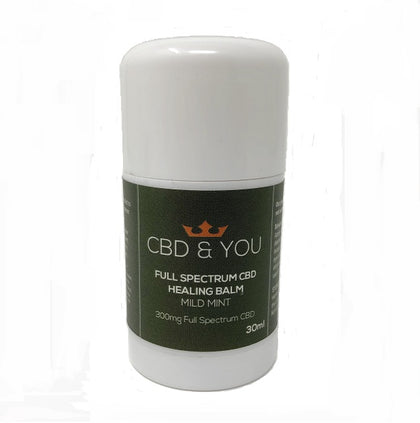
- Topicals such as Full Spectrum CBD Healing Balm
Conclusion
There is no single correct answer. UK manufacturing buys speed, traceability and regulatory certainty; EU partners often balance cost and flexibility for growth; China may win on headline cost but brings longer lead times and elevated operational risk. Prioritise COA reliability (ISO 17025), batch traceability and clarity over origin and tariffs. For most UK brands in 2026 — particularly those selling into retailers or supermarkets — the marginal premium of a UK or EU partner is frequently justified by lower compliance and customs risk and a more predictable path to market.
Choosing a contract manufacturer should be treated as a multi‑year partnership: audit COA workflows, confirm sampling procedures, stress‑test lead times under real‑world freight scenarios and model landed cost including duties and independent testing. That disciplined approach will protect your brand and keep shelves moving.