
Wylde Blogs
2026 UK Comparison: CBD Isolate Powder vs Pre-diluted CBD Oil for Indie Skincare Formulators
Introduction
Choosing between crystalline CBD isolate and pre-diluted CBD oil is one of the first technical decisions an independent skincare or cosmetics formulator must make. The choice affects raw-material cost, dosing precision, texture and stability — and it shapes the regulatory paperwork you’ll need for the UK and EU markets. Below we compare the two approaches feature by feature so you can pick the route that best fits your product goals, scale and compliance needs.
Feature-by-feature comparison
1. Cost-per-mg (raw material economics)
For many indie brands, cost-efficiency matters. In 2026 market pricing (small‑to‑mid orders) commonly quotes bulk CBD isolate at about €450/kg. For a typical 1,000‑unit face-cream run requiring ~300 g of CBD active (0.3 kg), that equates to roughly €135 of CBD cost (0.3 × €450). At larger volumes per‑kg pricing can fall (for example toward ~€340/kg), so isolate usually gives the lowest mg‑by‑mg raw material cost compared with pre‑diluted formats, which include carrier oil, processing and bottling in their price.
2. Dosing accuracy & formulation control
Crystalline isolate is measured by weight and dissolves into your chosen carrier — this allows precise mg‑per‑unit targeting, ideal when you want high‑concentration creams or to guarantee consistent microdoses in serums. By contrast, pre-diluted CBD oils arrive at a fixed mg/mL (and therefore a fixed active concentration). They offer convenience and speed to market but reduce flexibility: every formula must accommodate the supplier’s mg/mL ratio and the oil’s sensory profile.
Practical note: if you require exacting tolerances (e.g. 5 mg ± 0.1 mg per sachet), isolate + precision balances is the better route. For quick prototyping or small-batch retail-ready lines, pre-diluted oils can be more time-efficient.
3. Carrier compatibility & performance
Choice of carrier is central to topical performance. By 2026 MCT oil remains the default carrier for many lipid systems: industry literature indicates improved skin‑phase performance versus some alternatives (reported ≈ 1.48× absorption vs glyceryl monolinoleate in comparative studies). Carrier selection governs viscosity, skin feel, spreadability and finished-product stability. If you buy isolate, you control the carrier entirely — you can pick light esters, silicones, MCT, hemp seed oil or mixed systems to tune sensory and actives solubility. Pre-diluted oils arrive in a single carrier (commonly MCT or cold‑pressed oil) which simplifies formulating but constrains sensory and performance choices.
4. Shelf‑life & stability
Crystalline CBD isolate is chemically stable when stored cool, dark and dry — commonly rated at 12–24 months in raw form. Once dissolved in a carrier, shelf life becomes a function of the carrier’s oxidative stability, packaging and exposure to light, heat and oxygen. Pre-diluted oils and finished oil-based formulas commonly expect shelf lives in the order of 18–24 months depending on antioxidant strategy (e.g. added vitamin E), packaging (airless/amber) and storage.
Practical implication: storing bulk isolate allows longer-term inventory flexibility; once you premix into oil you must manage stock‑rotation and consider antioxidants and inert-gas headspaces for longer stability.
5. Water‑phase options
If your formula is water-based (gels, emulsions, toners or beverage-adjacent products) consider water‑dispersible CBD ingredients (nanoemulsions, liposomal grades). These command higher prices and involve different procurement and stability trade-offs compared with oil‑dispersible isolate or pre-diluted oils.
6. COA & compliance checklist
Always request a batch‑level Certificate of Analysis from an ISO/IEC 17025‑accredited lab with the following must-haves:
- CBD percentage (e.g. ~99% for isolate)
- Δ9‑THC reported as 'not detected' or quantified below legal limits and total THC reported
- Residual solvents (if any), heavy metals, pesticide screening
- Microbiological and mycotoxin screens for botanical inputs
- Batch date and explicit remaining shelf life
For cosmetic sales in the UK/EU you must also prepare a Product Information File (PIF) and a Technical Data Sheet (TDS) listing cannabinoid profile, recommended storage, shelf-life, and usage guidance — keep ingredient specifications and paperwork on file for retailer audits and buyer confidence.
Pros & cons — side‑by‑side
CBD isolate powder
- Pros: Lowest raw mg cost at scale; precise dosing by weight; maximum carrier flexibility; long raw‑material storage life; easy to run potency calculations for large batches.
- Cons: Requires lab-grade weighing, dissolution steps and QC; extra labour and small‑batch mixing costs; additional steps to create a finished, sensorially balanced oil (emulsifiers, antioxidants).
Pre‑diluted CBD oil
- Pros: Convenience and speed to prototype or launch; fewer in‑house processing steps; predictable carrier sensory profile; useful for small runs or formula testing.
- Cons: Higher mg‑by‑mg cost; less formulation flexibility; fixed carrier may not suit all skin systems; must verify COA and remaining shelf life for the diluted batch.
Practical examples & supplier touchpoints
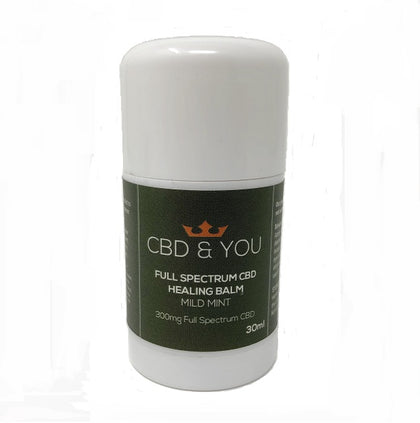
Many manufacturers and formulators use a hybrid approach: buy isolate for flagship or high‑dose SKUs, and use pre‑diluted oils for lower‑dose serums or sample kits. If you prefer ready oil formats, consider supplier options such as Wylde Natural Cold‑Pressed Drops 1000mg CBD Oil (10ml), Wylde Natural Cold‑Pressed Drops 2000mg CBD Oil (10ml) or the higher‑strength Wylde Natural Cold‑Pressed Drops 4000mg CBD Oil (10ml) when convenience and supplier QC are priorities. For finished topical ideas that demonstrate carrier choice and formulation, see examples like Vitamin E CBD 600mg Radiance Revive Night Oil or a tactile treatment format such as the Full Spectrum CBD Healing Balm for inspiration on texture and packaging choices.
Recommendation
If you are launching a single hero SKU with tight mg‑specs and plan regular production runs, CBD isolate gives the most cost‑efficient route and the greatest formulation control. If you are testing concepts, producing small pre-launch batches or favour simplicity and speed to market, pre‑diluted oils reduce process burden and time to shelf. Many small brands combine both strategies: isolate for core high‑dose SKUs, and pre‑diluted oils for samples, testers or lightweight lines.
Closing thoughts
Technical choice is only one part of product success: robust COAs, a complete PIF/TDS, considered carrier selection and thoughtful packaging are equally essential for a compliant, premium skincare launch in the UK. Match your procurement decision to your quality controls, scale and sensory brief — and always verify batch COAs and remaining shelf life before committing to inventory.