
Wylde Blogs
2026 UK CBD Retail Staff Training Checklist: COA Checks, Age Verification, ASA‑Compliant Guidance & Returns (FSA 2025 Update)
Introduction
The UK CBD retail landscape changed significantly after the Food Standards Agency's 2025 guidance. Retailers must now be confident that every SKU they sell meets the FSA's revised labelling and ADI expectations. For store teams, that means practical, consistent training on batch Certificate of Analysis (COA) verification, age‑check practice, ASA‑compliant customer conversations, and a clear returns workflow. This article sets out a ready-to-use, evidence-based training checklist and a recommended learning plan for 2026.
Key concepts every retail team must understand
- FSA 2025 compliance — Brands were asked to reformulate and update labelling. Retailers should prioritise stock on the FSA CBD Public List or have written, supplier-confirmed evidence of compliance.
- Batch COAs — A COA is the primary document showing declared CBD potency and the presence (or absence) of THC and other contaminants. Staff must be trained to verify COAs both on receipt and at point‑of‑sale.
- ASA rules — The Advertising Standards Authority does not permit medical or unsubstantiated health claims. Teams must use permitted, non‑medical language and avoid offering health advice.
- Age‑checks — While there is currently no statutory ban on sales to under‑18s, industry and FSA guidance recommends age‑restriction practices. Retailers should adopt a clear policy and train staff accordingly.
Training checklist — what to teach, in order
-
Intro to the FSA 2025 update
- Explain the FSA's ADI/labelling expectations and the need to prioritise products on the FSA Public List.
- Show how to locate and record a product's FSA status or supplier confirmation.
-
How to verify a batch COA (receipt and point‑of‑sale)
- Match the COA batch number to the product batch sticker or carton.
- Confirm the COA is current, issued by an accredited laboratory, and shows declared CBD potency.
- Check for THC results: ensure reported THC is below the stated threshold or below the lab's limit of quantification (LOQ); flag any positive or borderline results.
- Scan or photograph the COA and store it with the sales batch record; note COA issue date and lab contact.
- If a customer asks for lab data, staff may show the COA but must avoid making health recommendations—focus on factual product information only.
-
ASA‑compliant product guidance
- Teach approved phrasing (e.g. "may support general wellbeing", "some users report") and forbidden phrasing (e.g. any wording implying treatment, cure or prevention).
- Train on permitted factual information: ingredient list, CBD potency per serving, serving size, allergens, shelf life, storage advice, FSA Public List status.
- Provide ready‑made scripts for common queries and red‑flag scenarios where staff must escalate to a manager.
-
Age verification & safe selling
- Adopt a clear store policy (for example 18+) and teach practical checks: ask for ID, use Challenge 25 or similar, refuse sale if ID is not shown.
- Include role‑play for awkward interactions and supervised inductions for new starters.
-
Customer service, returns & suspected non‑compliance
- Define the returns process: quarantine suspect stock, photograph product and packaging, attach COA evidence, log incident in a central register.
- Teach refund vs exchange policies and how to escalate to the category specialist or supplier for batch investigations.
- Train staff to avoid giving health advice and to signpost customers to product information, brand COAs or independent resources instead.
Training design & timings
Frontline retail teams learn best with short, regular bursts rather than long classroom sessions. Use a blended approach:
- Microlearning: daily 5–10 minute modules for quick refreshers (COA checks, ASA dos/don'ts, age‑check reminders).
- Practical sessions: role‑play age checks, COA reviews and returns handling on the shop floor.
- Mobile‑first platforms: enable on‑the‑go learning with photo upload tasks (e.g. snap the COA and batch sticker) and short quizzes.
- Onboarding depth: allocate ~40–80 hours of initial training for category specialists and 20–30 hours for general roles, with monthly refreshers of 2–4 hours to guard against skill decay.
Systems, proof & metrics
Digital tracking and checklists are essential for multi‑store operations. Recommended features:
- Completion dashboards and timestamped records for every training module.
- Photo evidence uploads for COA and batch checks tied to inventory records.
- Incident logs for suspect batches and returns, with supplier escalation workflows.
- Performance metrics — well‑trained stores report higher commercial outcomes (typical uplift: ~20–40% conversion and 15–25% larger basket sizes) which makes compliance training a commercial as well as a legal priority.
Practical examples — what to inspect on common categories
- Oils: match the bottle batch to its COA and record declared mg per bottle; if you stock a product such as Wylde Natural Cold‑Pressed Drops 1000mg, keep a current COA indexed to the SKU.
- Gummies & edibles: verify potency per portion and allergen labelling; keep a copy of the COA for the tin such as Wylde CBD Gummy Bears 30x 10mg and ensure product is on the FSA list or has supplier confirmation.
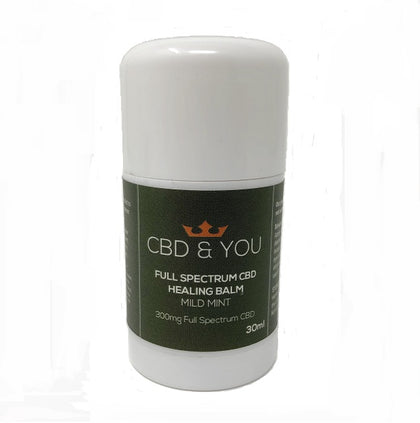
- Topicals: treat like consumables for COA traceability and returns—store a COA for items such as the Full Spectrum CBD Healing Balm.
- Vapes/e‑liquids: apply the same COA discipline; examples include Blue Cheese Canavape Cartridge and Canavape Blue Dream E‑liquid—ensure COAs and supplier assurances are available and that staff understand any category‑specific handling rules.
Conclusion
In 2026, compliance and commercial success go hand in hand. A structured, measurable training programme that focuses on COA verification, ASA‑compliant communication, robust age‑checks and a clear returns protocol protects your customers and your business — and boosts conversion and basket value. Use short, practical learning modules, require photographic evidence for COA checks, log every incident centrally, and commit to ongoing refreshers. With the right systems and a clear checklist, store teams can confidently sell only compliant stock and respond quickly when regulations evolve.