
Wylde Blogs
2026 UK Guide — How to Verify Sustainable & Ethical Hemp Sourcing Claims on CBD Labels (Practical Checklist)
Introduction
As UK regulation and consumer expectations tighten in 2026, sustainability and ethical sourcing claims on CBD products are no longer nice-to-have marketing lines — they must be verifiable. The Competition and Markets Authority (CMA) has signalled escalated enforcement: claims should be capable of independent verification, and downstream retailers can face legal risk if suppliers cannot substantiate their statements. This guide gives a clear, practical checklist for consumers and retailers to assess sourcing claims on CBD product labels and supplier sites.
Key concepts to understand
What “verifiable” means in 2026
Verifiable claims are those that can be supported by documentary evidence and independent testing. For CBD, that includes recent Certificates of Analysis (COAs) with batch IDs, accredited laboratory reports, and traceability documentation that links finished products back to the grower and harvest.
Who is responsible
Both brands and retailers share responsibility. Regulators expect suppliers to be able to substantiate claims, and retailers are required to carry reasonable due diligence. Treating supplier vetting as a compliance decision is now procurement best practice.
Practical checklist — what to ask for (consumers and retailers)
- Request COAs for multiple recent batches: Ask for COAs covering at least three recent batches, with clear batch IDs. Credible procurement frameworks in 2026 typically require COAs for three batches rather than a single snapshot.
- Insist on a full contamination panel: COAs should include pesticides, heavy metals, residual solvents, and microbial testing — not just cannabinoid percentages.
- Check potency and THC: COAs must report potency and show THC levels. In the UK the legal THC limit to observe is 0.2% — ensure this is clearly stated per batch.
- Verify the testing laboratory’s accreditation: Look for ISO/IEC 17025 accreditation or a recognised national accreditation such as UKAS. Accredited labs with traceable certifications are more trustworthy than unaccredited reports.
- Ask for traceability documentation: Request grower/producer names, region, harvest date and batch IDs that tie the COA back to the cultivation source.
- Request cultivation and extraction details: Sustainable claims are stronger if paired with regenerative farming practices (crop rotation, soil-health programmes), non‑GMO seeds and clean extraction methods such as supercritical CO2 rather than hydrocarbon solvents.
- Look for independent sustainability credentials: EU/UK organic certification (for example Soil Association or equivalent), GMP/HACCP certification for manufacturing, and documented supply-chain traceability are baseline signals.
- Demand procurement records for retailers: Request supply contracts, stability data for finished products, rights to audit or sample, and regular COA updates in supply agreements.
How to examine a COA — a quick walkthrough
- Match batch identifiers: The COA should display the same batch ID that appears on the product label or bottle.
- Check date stamps: Look for test date and sample received date — recent tests are important for perishable botanical products.
- Verify tested analytes: Ensure the report includes total CBD/CBC/CBG etc. where relevant, and explicit THC reporting. Residual solvent and pesticide screens must be present.
- Confirm lab accreditation: Find the laboratory’s accreditation number (for example ISO/IEC 17025) and, if necessary, verify that accreditation on the national accreditation body website.
Supplier sustainability signals beyond COAs
COAs prove chemical safety and potency; sustainability and ethical sourcing require further documentary evidence. Look for:
- Certified organic status: EU/UK organic logos and certification numbers or links to certificates.
- GMP/HACCP accreditation: Especially important for extracts, tinctures and finished products.
- Documented traceability: Grower name, cooperative details, GPS region or harvest date — not just a generic “sustainably sourced” claim.
- Regenerative practice statements: Written policies on crop rotation, soil health, water management and biodiversity measures.
- Clear extraction method disclosure: Supercritical CO2 is widely seen as a cleaner method; if solvents are used, residual solvent testing must be present on COAs.
Procurement best practice for retailers (2026)
Procurement teams should treat supplier selection as a compliance function. Recommended steps include:
- Make COAs for three recent batches a minimum tender requirement and keep a central repository of COAs and accreditation documents.
- Include rights to audit or independent sampling in supplier contracts.
- Request stability data for finished products and documented cold-chain procedures where relevant.
- Run periodic verification of lab accreditations and ask suppliers to confirm any changes to cultivation or extraction methods.
What consumers should do at point of purchase
When buying, whether online or in-store, ask the retailer or brand to provide COAs and sustainability documentation. If a product page lacks accessible COAs or traceability details, request them directly — for example for a tincture or gummy product you’re considering. Many shoppers now ask for documentation before deciding; this transparency is becoming a differentiator.
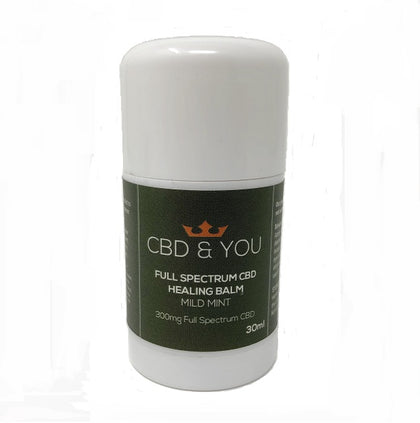
Examples of products commonly scrutinised include dropper tinctures, gummies and topical balms — if a page for an item such as Wylde Natural Cold‑Pressed Drops 1000mg, CBD Living Tincture 4500mg 0% THC, Wylde CBD Gummy Bears, Full Spectrum CBD Healing Balm or Vitamin E CBD 600mg Radiance Revive Night Oil, don’t hesitate to ask for supporting documents if they’re not visible on the product page.
Market trends to watch
UK consumers increasingly prefer domestic or cooperative sourcing narratives: brands that transparently show UK farm partnerships or Nordic organic sourcing often win trust. Transparent provenance is now a meaningful purchasing factor; a clear story backed by documentation is much more persuasive than vague sustainability language.
Conclusion
In 2026, sustainable and ethical sourcing claims on CBD labels must be backed by clear, independently verifiable evidence. Whether you’re a consumer or a retailer, insist on COAs for multiple batches, check lab accreditation, request full contamination panels and ask for traceability and sustainability documentation. Treat supplier vetting as a compliance priority: it protects legal standing and builds genuine consumer trust in a crowded market.
Follow the checklist in this guide and make documentation requests a routine part of purchasing — the brands that welcome scrutiny are usually the ones that deserve it.