
Wylde Blogs
How to Open a Compliant CBD Retail Shop in the UK (2026): Legal Checklist, Lease Tips & ASA‑Safe Marketing
Introduction
Opening a CBD retail shop in the UK in 2026 demands more than a good location and tasteful shelving. The legal and commercial landscape has shifted: regulators, lease practice and consumer expectations now place transparency, careful supplier vetting and conservative marketing at the centre of success. This guide breaks the process down into a clear legal checklist, practical tips for negotiating short FRI leases, how to source microdose (≤10mg/day) wellness products with Certificates of Analysis (COAs) and novel‑food validation, and ASA‑safe marketing essentials.
Key Concepts: Regulatory and Commercial Context
Before you start, understand these essential points:
- FSA requirements: Retail CBD products must meet Food Standards Agency (FSA) rules — THC must be below 1mg per container. Products should ideally appear on the FSA’s validated/novel‑food list before wide retailing.
- Microdose labelling: The FSA has been used by retailers as a 10mg‑per‑day reference point for consumer labelling and risk communication; microdose positioning typically targets ≤10mg/day.
- Advertising law (CAP/ASA): The ASA and CAP Code prohibit medicinal or health claims for non‑licensed CBD products. Marketing must avoid implying diagnosis, treatment or cure and favour condition‑adjacent language.
- Commercial leases: In 2026 short 3–5 year retail leases are common and are frequently Full Repairing & Insuring (FRI). Recent tenancy law reviews mean tenant protections are in flux; contract clarity is vital.
Step‑by‑Step Legal & Compliance Checklist
Use this checklist as a practical starting point. It is not a substitute for legal advice.
- Company & trading setup: Register your business, confirm VAT and insurance requirements, and ensure appropriate business bank accounts.
-
Product compliance:
- Stock only products with up‑to‑date COAs from accredited labs showing total THC below 1mg per finished container.
- Prefer items already on the FSA validated/novel‑food list. If a product lacks validation, limit volumes and retain supplier paperwork and risk assessments until validated.
- Label products clearly with CBD content per serving and offer a clear microdose reference (≤10mg/day) where appropriate.
- Supplier due diligence: Collect COAs, evidence of EU/approved cultivar sourcing, manufacturing HACCP or GMP details, and traceability documentation. Prefer established third‑party brands until you have compliance experience and demand to justify white‑labelling.
- Record keeping: Keep COAs, purchase invoices, staff training records and marketing sign‑offs for at least several years — useful if regulators or ASA query a product or claim.
- On‑site compliance: Ensure staff are trained to avoid making medicinal claims, display compliant point‑of‑sale information about dosing and COAs, and provide honest, non‑therapeutic guidance (e.g. product composition and suggested microdose ranges).
- Professional advice: Instruct a solicitor experienced in both commercial tenancy and consumer product law and, where needed, a regulatory consultant to review labelling and novel‑food status.
Premises & Lease: 3–5 Year FRI Lease Negotiation Tips
Short FRI leases are standard. When negotiating, budget carefully and insist on clear, written terms for the following:
- Full costs: Plan for rent, business rates, service charges, building insurance contributions and your own contents/public liability insurance. Add an allowance for legal and surveyor fees.
- Repairing obligations: FRI means the tenant is responsible for repairs. Negotiate a schedule of condition and, if possible, a cap on dilapidations for the first term.
- Rent review: Seek fixed or upward‑only caps and align review dates to mitigate sudden increases. Consider CPI‑linked reviews rather than open market reviews where possible.
- Reinstatement & fit‑out: Clarify who must reinstate at lease end. Try to negotiate an option to leave certain fit‑out items in situ or to share reinstatement costs if you conduct bespoke works.
- Break clauses: Insist on a tenant break option after a sensible period (e.g. 2–3 years) with clear notice and minimal conditions to exit if the market or regulation changes.
- 1954 Act & contracting out: With ongoing commercial tenancy reviews in 2025–26, ensure you fully understand whether the lease is contracted‑out of security of tenure and get legal advice on implications.
Sourcing Microdose (≤10mg/day) Products — Practical Supplier Checklist
Microdose products attract a discerning audience. Stocking the right SKUs early helps build trust.
- Start with proven third‑party brands that provide batch COAs, EU‑approved cultivar sourcing and clear labelling. Example product formats to consider are microdose gummies, low‑dose capsules and modest topical jars.
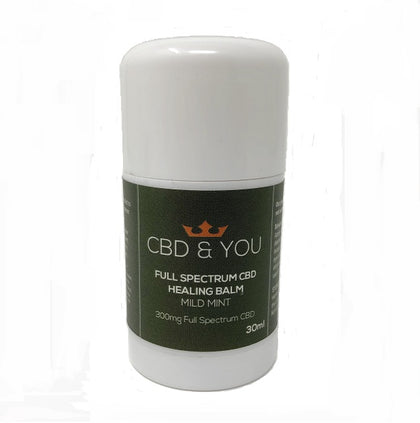
- Examples you might evaluate include microdose edibles and capsules such as Wylde CBD Gummy Bears (30x, 10mg CBD per bear, Full Spectrum), CBD Living 5 mg 30 Count Gel Capsules and single‑serving topical options such as Full Spectrum CBD Healing Balm.
- Collect COAs per batch and ensure lab reports reference the finished product (not only raw hemp). Keep COAs accessible for customers and for audit purposes.
- Where a supplier sells a sleep‑positioned product, verify the COAs and labelling — for instance, see examples such as OTO 10 CBD Sleep Drops — but ensure your in‑store copy avoids clinical sleep benefit claims and instead focuses on composition and usage guidance.
- Once demand and compliance processes are proven, consider a staged move to white‑label products with full testing and retained traceability.
ASA‑Safe Marketing Essentials
Build trust without risking ASA sanctions.
- Language: Avoid therapeutic language. Use condition‑adjacent phrasing: "many users report improved relaxation", "may support a calm evening routine", or "marketed for sleep support" rather than "treats insomnia".
- SEO & content: Prioritise long‑tail keywords and content that educates (e.g. "microdose CBD 5–10mg how to dose safely") rather than making health promises. Publish COAs, sourcing stories and simple dosing guidance.
- Organic channels: Focus on SEO, blog content, email and SMS newsletters, and compliant influencer partnerships that use approved language and don’t imply medical outcomes.
- Paid media caution: Avoid creative that could be interpreted as a therapeutic claim; many platforms and publishers will reject ads that suggest health benefits for non‑licensed products.
- Point of sale: Display transparent product facts, COA access (QR codes), and non‑medical usage instructions referencing the ≤10mg/day microdose reference point where appropriate.
Conclusion
Launching a CBD retail shop in the UK in 2026 requires careful planning across regulatory compliance, supplier validation, commercial lease negotiation and conservative marketing. Prioritise transparency — COAs, clear microdose labelling and accurate product pages — and negotiate lease terms that protect your business as the tenancy law landscape settles. Start with reputable third‑party brands, build customer trust through education, and scale into white‑label only once compliance and demand are firmly established. If in doubt, engage specialist legal and regulatory advisers to review leases, labelling and marketing before you open.
Note: This article provides practical guidance and does not constitute legal or regulatory advice. Consult a solicitor or regulatory specialist for decisions affecting your business.