
Wylde Blogs
2026 UK Pilot: In‑Store CBD Refill Stations in Supermarkets & Zero‑Waste Shops — Case Studies, Contamination Controls and pEPR Compliance
Introduction — why CBD refill stations are suddenly centre stage
In 2026 a new wave of retail pilots is putting CBD refill stations into mainstream supermarkets and zero‑waste shops across the UK. Driven by tightened packaging rules and Extended Producer Responsibility (pEPR) obligations, retailers and refill solution providers are scaling refill ecosystems that aim to reduce single‑use packaging while preserving product safety and provenance for ingestible and topical CBD ranges.
What's trending
Several concurrent trends explain why refill is expanding fast. Market analysts at FactMR estimate the global refill‑station market is approaching roughly USD 2.5 billion in 2026 — a quantitative signal that retail formats for dispensers, cartridges and closed‑loop refills are commercially viable. At the same time, UK regulatory guidance on packaging and sustainability tightened through 2026 (BRC / Packaging Gateway), and pEPR / packaging waste rules that came into force across 2025–2026 (covered extensively by Shoosmiths and sector briefings) are reallocating recycling and reporting costs back to brands and retailers. The result: reuse and refill models are not only an environmental statement, they are becoming a strategic response to new reporting liabilities.
Why it matters — for retailers, brands and consumers
- Cost and compliance pressure: pEPR means producers and retailers now face direct cost and reporting responsibilities for packaging waste. Reuse/refill reduces tonnage and may lower pEPR exposure.
- Consumer demand: zero‑waste pioneers such as The Body Shop and Lush have normalised refill behaviour for personal care; market lists (IndexBox and others) show rising interest among consumers for similar sustainable CBD formats in premium outlets.
- Product safety risk profile: CBD includes both topical and ingestible formats. Regulators (notably the FSA) require rigorous safety dossiers for ingestibles. Any refill model that allows contamination or variable dosing creates reputational and regulatory risk.
Examples and case studies — pilots, formats and who is doing what
UK pilots in 2026 have embraced several technical approaches:
- Closed‑cartridge, manufacturer‑refilled systems: Brands supply sealed, returnable cartridges that are reprocessed centrally under manufacturer control. These systems minimise on‑site cleaning variability and are used for higher‑risk ingestibles or high‑value tinctures. Premium large‑strength tinctures such as the CBD Living 4500mg tincture typify products where manufacturers retain strict supply‑chain control.
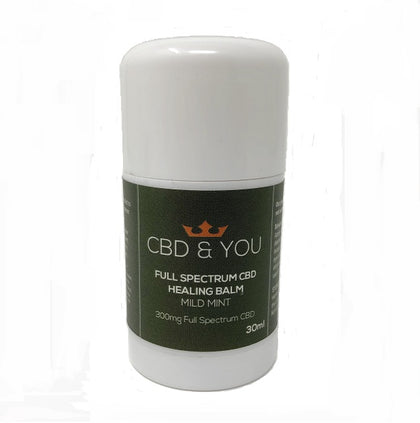
- Dispense‑and‑refill stations for topicals and balms: Zero‑waste shops are piloting bulk dispensers for creams and balms with on‑site staff handling fills into customer jars or into reusable tins. For topical formats, many brands are evolving refills around robust containers such as aluminium tins or UV‑blocking glass — for example, refill‑ready topical formats comparable to the Full Spectrum CBD Healing Balm are a natural fit.
- Beverage and drink‑additive dispensers: Supermarket pilots are trialling measured‑dose dispensers for water‑soluble CBD drink enhancers to be mixed at point of sale. The emerging interest in sachet‑free beverage formats makes products like the CBD Drinks Enhancer a logical example for refill deployment.
- Vape refills and responsible handling: Refillable vape e‑liquid stations are rarer because of WEEE/Waste and safety complexities; when discussed, pilots focus on sealed cartridge swaps rather than open refill nozzles — an approach that mirrors commercial offerings such as Canavape Blue Dream e‑liquid which emphasise controlled fill volumes.
Contamination controls — what good design looks like
Design choices determine safety. A key finding from the Rethink Plastic Alliance and subsequent academic work is stark: many in‑store refill models shift cleaning responsibility to consumers, increasing microbiological and cross‑contamination risk. By contrast, centralised reprocessing allows manufacturers to apply validated cleaning regimes, traceability and batch testing.
For CBD products the industry is prioritising the following controls:
- Closed‑loop cartridges or single‑use liners: minimise any product exposure to ambient air and reduce on‑site reservoir cleaning.
- Food‑grade materials and PFAS‑free coatings: new PFAS restrictions (covered by Food Safety Magazine) mean refill containers and seals should avoid fluorinated liners — stainless steel 316, aluminium with safe anodisation and certified glass are preferred.
- Validated cleaning and sanitisation: centralised CIP (clean‑in‑place) for cartridges or staff‑operated, documented SOPs for any on‑site equipment. Peracetic acid, hot water cycles and validated drying are commonly used rather than ad‑hoc consumer cleaning.
- Batch traceability and COAs: dispensers should print or display batch codes and link to Certificates of Analysis via QR for every fill to meet traceability expected under pEPR reporting and for regulatory transparency.
- Microbiological monitoring: routine swabs and periodic product microbiology for ingestible fills; clear thresholds and escalation protocols for distributors and retailers.
Practical controls at point of sale
In pilot stores the combination of trained staff, tamper‑evident closures, touchless dispensers and visible COA access has improved consumer confidence. Retailers also use staff training modules and digital checklists so every fill is documented — vital when pEPR returns require accurate packaging flow data.
Regulatory context — the active UK picture in 2026
The UK regulatory landscape in 2026 remains active. The FSA’s novel foods programme and ministerial timetables continue to emphasise that any ingestible CBD (oils, gummies, beverages) must meet rigorous safety dossiers and standards (as reported by Business of Cannabis). That means refill pilots handling ingestible products must ensure the same dossier‑grade provenance and testing as sealed retail SKUs — a high bar that tends to favour manufacturer‑controlled refill systems over uncontrolled open dispensing.
Future outlook — where pilots lead
Expect a bifurcated future. For low‑risk topicals and non‑ingestible formats, convenience‑style refills in zero‑waste shops will increase and accelerate packaging reduction. For ingestible CBD, the economic and regulatory case favours closed cartridges, manufacturer reprocessing and strong traceability to meet FSA expectations and pEPR reporting. The multi‑billion dollar refill market estimate from FactMR and tighter 2026 packaging rules suggest investment in robust refill infrastructure will continue.
Takeaways for brands and retailers
- Design refill offerings around the product risk profile: prefer centralised reprocessing for ingestibles; consider on‑site refill for sealed topicals with strong sanitisation SOPs.
- Use PFAS‑free, food‑grade materials and retain COAs and batch traceability linked to every refill.
- Factor pEPR reporting into commercial planning — reuse/refill is a compliance opportunity as much as a sustainability strategy.
- Communicate transparently with consumers: training, visible hygiene, and easy access to lab data build trust.
Conclusion
UK pilots in 2026 are demonstrating that refill can be both sustainable and commercially viable — but only where design, materials and process controls address contamination and traceability from the start. As pEPR and packaging rules bite, the retailers and brands that combine robust hygiene controls, closed‑loop systems for ingestibles and clear consumer‑facing transparency will be best placed to scale refill without compromising safety or compliance.
For customers exploring low‑waste options at home, consider choosing products that prioritise clear batch testing and packaging designed for reuse or safe refill. For example, premium topical formulations and purpose‑built drink‑additives are increasingly available in refill‑friendly formats that align with the trends above.
Examples mentioned: Wylde Natural Cold Pressed Drops 1000mg, CBD Drinks Enhancer, Canavape Blue Dream e‑liquid, Full Spectrum CBD Healing Balm, and CBD Living 4500mg Tincture as product examples that illustrate the range of refill‑relevant formats.