
Wylde Blogs
CO2 vs Ethanol vs Hydrocarbon CBD Extraction (UK, 2026): Terpene Retention, Solvent Risk, Cost & What to Check on the CoA
Introduction
Choosing a CBD product often means choosing an extraction story you can't see. The way cannabinoids and terpenes are taken from hemp—supercritical CO2, food‑grade ethanol or hydrocarbon (butane/propane) extraction—shapes flavour, aroma, residual solvent profile and cost. For UK producers, auditors and discerning buyers in 2026, those technical differences matter for safety, traceability and the sensory character of the finished product.
How to read this guide
This comparison explores terpene retention, solvent‑residue risk, cost per kilogram and practical CoA checks. It is intended as an informed buyer's guide and does not make medical claims about CBD.
Feature‑by‑feature comparison
1. Terpene retention & sensory character
Hydrocarbon (butane/propane): Typically gives the best terpene retention. The low‑temperature, fast flash‑freezing/cryogenic workflows used for "live resin" or "sauce" capture delicate, volatile terpenes and produce the most pronounced aroma and flavour profile — the method of choice for premium, terpene‑forward concentrates.
Supercritical CO2: Can be tuned (pressure/temperature) to target specific cannabinoids and some terpenes. Well‑executed CO2 can retain appreciable terpene fractions, though many labs report a slightly cleaner, less resinous aroma than hydrocarbon extracts.
Ethanol (food‑grade): Effective and economical, but unless used cold/cryo, ethanol tends to co‑extract chlorophyll and heat‑sensitive terpenes. Cryo‑ethanol workflows mitigate this and improve terpene retention, but require extra equipment and controls.
2. Solvent‑residue risk & regulatory profile
CO2: Non‑flammable and inert. When used without co‑solvents, it leaves essentially no solvent residue — a favourable profile for insurers and auditors in the UK.
Ethanol: Flammable, but generally less hazardous than hydrocarbons. Ethanol is a Class III solvent in common pharmacopeias; certain thresholds (examples cited in industry contexts around ~5,000 ppm) are more permissive than Class II solvents — but residual levels must still be tested and declared on the CoA.
Hydrocarbons (butane/propane): Highly flammable and capable of forming explosive mixtures. Facilities require closed‑loop systems, explosion‑proof environments and rigorous purging to control solvent risk. Hydrocarbon solvents are typically classed with lower permitted residual limits in many pharmacopeias, so a thorough residual solvent panel is essential.
3. Cannabinoid recovery & yield
CO2: High reported cannabinoid recovery (~85–95%) when optimised, though runs are slower.
Ethanol: Reported recovery varies (~50–80%), dependent on temperature and solvent ratio; often requires winterisation and carbon scrubbing to clean co‑extracted chlorophyll.
Hydrocarbons: Can deliver strong yields and excellent terpene preservation, particularly in cryo/flash workflows used for craft concentrates.
4. Cost per kg, throughput & operational trade‑offs
Ethanol: Lower capital outlay and high throughput make ethanol attractive for large‑scale processing; however, increased post‑processing (winterisation, carbon filtration, solvent recovery) raises operating costs.
CO2: Higher capital and slower run times increase per‑kg capital cost, but variable solvent costs are low and solvent residue issues are minimal when no co‑solvents are used.
Hydrocarbons: Closed‑loop hydrocarbon systems can be built with moderate startup capital compared with CO2, yield terpene‑rich extracts and run efficiently, but insurance, facility upgrades and compliance monitoring add recurring costs.
5. Practical hybrid approaches
Many UK brands now use hybrid workflows — for example, CO2 to capture a terpene‑rich fraction followed by cold ethanol to pull cannabinoids — then recombine fractions to create terpene‑enhanced, full‑spectrum concentrates. These hybrid methods aim to balance sensory quality, safety and throughput.
Pros and cons — at a glance
Hydrocarbon extraction (butane/propane)
- Pros: Best terpene retention; premium flavour for live resin and vape cartridges; can deliver high yields.
- Cons: Higher fire/explosion risk; requires closed‑loop, explosion‑proof facilities and rigorous purging; lower permitted residual solvent limits — insist on a full residual solvent CoA.
Supercritical CO2
- Pros: Tunable selectivity; very low solvent residue if no co‑solvents are used; high cannabinoid recovery (~85–95%); non‑flammable — simpler insurance/regulatory profile.
- Cons: Higher capital and operating costs; slower runs; may produce a cleaner, less terpene‑dominant sensory profile unless optimised.
Food‑grade ethanol (cold/cryo vs warm)
- Pros: Low capital cost, high throughput; ethanol itself is a widely accepted solvent; scalable for large batches.
- Cons: Can co‑extract chlorophyll and heat‑sensitive terpenes unless cryo techniques are used; variable recovery (~50–80%); requires winterisation/carbon scrubbing and residual solvent testing.
Exactly what to check on the Certificate of Analysis (CoA) — UK checklist
- Full cannabinoid profile: CBD, CBDA, CBG, CBN and importantly THC (total THC) with limits reported in mg/g or mg/mL.
- Residual solvent panel: ethanol, butane, propane, hexane, benzene etc. — check reported values versus method LOQs and applicable pharmacopeial limits (note class II vs class III distinctions).
- Terpene quantification: a quantified terpene profile (mg/g or %), not just a scent description — useful when choosing terpene‑forward products such as Blue Cheese Canavape CBD vape cartridge or other concentrates.
- Pesticides, heavy metals and mycotoxins: complete panels with pass/fail and numerical results.
- Lab accreditation and test methods: independent lab name, accreditation (e.g., recognised UK/ISO standards), test method (GC‑MS for residual solvents, HPLC for cannabinoids) and a batch number that matches the product packaging.
- Limits of Quantitation (LOQ) and reporting units: ensure low LOQs and clear units (ppm, mg/kg, mg/mL) rather than vague pass/fail statements.
Practical buyer recommendations
If you prioritise aroma and a craft, terpene‑forward experience — for example, for high‑end vape cartridges or aromatic topicals — hydrocarbon extracts or hybrid terpene‑boosted blends are often preferred, provided the producer supplies robust CoAs showing residual solvents well below permitted limits and uses closed‑loop, explosion‑proof systems.
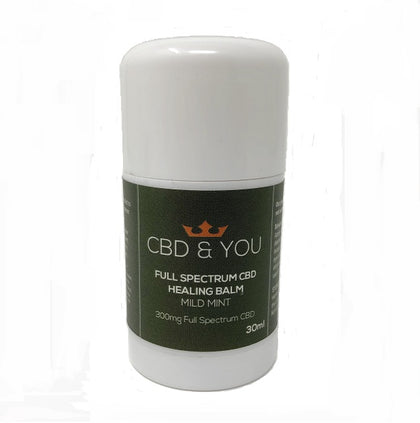
If low solvent residue and a cleaner regulatory profile are central (helpful for certain insurers and auditors), look for CO2 extracts or products where CO2 was used for the terpene fraction. CO2‑extracted oils often suit dropper oils and topicals such as the Wylde Natural Cold‑Pressed Drops 1000mg and balms like the Full Spectrum CBD Healing Balm, where solvent cleanliness is important.
For cost‑sensitive, high‑volume edible products, ethanol extraction (especially cryo‑ethanol) is common — but verify winterisation and solvent‑residue results on the CoA. When buying edibles such as Wylde CBD Gummy Bears, ensure the cannabinoid profile and residual solvent panel are present and batch‑matched.
Conclusion
No single extraction method is universally "best" — each balances terpene fidelity, solvent‑residue profile, throughput and costs. The smart buyer focuses on transparency: demand a full CoA with cannabinoid and terpene quantification, residual solvent panels and an accredited lab signature. For artisan, terpene‑rich concentrates, hydrocarbon or hybrid approaches excel; for low solvent residue and regulatory ease, CO2 leads; for scale and cost‑efficiency, ethanol (ideally cryo) remains viable. Always check the CoA before purchase — it is your clearest window into how the product was made.
For further reading and product‑matched examples on extraction‑driven flavour and formulation, explore our range and their batch CoAs — whether dropper oils, balms or gummies, the extraction story is part of the experience.