
Wylde Blogs
How to Fix a Separated or Grainy CBD Balm at Home (UK, 2026): Step‑by‑Step Reheating, Re‑emulsifying & Storage Tips
Introduction — a calm, practical approach
Finding your favourite CBD balm or salve has separated or turned grainy can be frustrating, but in many cases a carefully executed repair will restore texture and usability. This guide explains when a rescue is possible, step‑by‑step reheating and re‑homogenising techniques you can use at home in the UK, and sensible storage and safety tips to reduce future problems. The tone here is practical and reassuring — these are tips used by small‑batch formulators and informed consumers alike.
Problem statement: what you’re seeing and why it matters
A separated balm can look oily on top with firm waxy layers beneath; graininess feels like little crystals or sandy particles when you apply it. Texture matters because it affects how the product spreads and how pleasant it feels to use. With CBD products, you also want to preserve cannabinoid integrity and avoid unnecessary heat or contamination.
Quick note on product types
If your product is a pure oil/wax/butter blend (for example, oils, beeswax and shea only), it is generally salvageable with gentle re‑melting and proper re‑homogenisation. However, if the item is a true emulsion — i.e. it contains water, aloe or other aqueous phases — once that emulsion has split it is often irreparable and should be discarded. Water‑containing lotions and creams behave differently from oil‑only balms; if you’re unsure whether you have a balm or a lotion, check the ingredients list for water (aqua) or aloe.
Common causes of separation and graininess
- Temperature shifts: Heat then cooling can cause waxes and butters to crystallise unevenly.
- ‘Diva’ butters: Shea and some natural butters are temperature‑sensitive and can develop large crystals unless cooled with agitation.
- Insufficient emulsification: If a product was poorly mixed originally, the components were never truly locked together.
- Repeated heat exposure: Multiple reheats or store‑and‑use cycles can alter texture and evaporate volatile components.
- Contamination or added water: Introducing moisture or unclean tools can destabilise or spoil the product.
When to attempt a repair — decide first
- Rescue: oil/wax/butter blends (no water/aqua/aloe listed) — usually worth trying a single controlled reheat.
- Discard: products that clearly contain water, show mould, odd smells or unusual discolouration.
- If in doubt, inspect ingredients and the jar carefully; when safety or doubt exists, replace the product.
Step‑by‑step repair method (for oil/wax/shea balms)
Before you begin: sanitise your work area, tools and jar. Never introduce water during repair. Only attempt this once if possible — repeated reheating accelerates evaporation of essential oils and can degrade cannabinoids.
What you’ll need
- Stove and a saucepan for a hot‑water bath
- Clean jar with lid (use the original if intact)
- Wooden or stainless stirrer
- Immersion blender or a small handheld whisk (magnetic stirrer optional)
- Thermometer (infrared or probe)
- Chilled fridge or freezer space
1. Re‑melting (hot‑water bath method)
Place the closed jar in a saucepan and add warm water so the waterline sits below the lid — do not let water enter the jar or submerge the lid. Heat gently and slowly; avoid rapid boiling. Warm until the contents are fully liquid, stirring occasionally through the lid opening if your jar allows — the aim is to re‑distribute waxes and oils evenly.
2. Stir thoroughly
Once liquid, open the jar (carefully; it will be hot) and stir thoroughly with a clean utensil to mix any settled solids back into the oils.
3. Whipping / homogenising while cooling
Begin agitation as the mixture cools and reaches approximately 38–65°C (100–150°F). Use an immersion blender, small handheld whisk or magnetic stirrer to create a consistent texture — this helps prevent large wax crystals forming and reduces re‑separation. Work swiftly but carefully; for temperature‑sensitive ingredients like shea, slow, controlled agitation is key.
4. Rapid chilling for a smooth finish
When the texture looks smooth, pour or return the mix to the jar and place it in the freezer or a very cold fridge for 15–60 minutes to set quickly. Rapid chilling traps the fats in a finer crystalline structure and produces a creamier feel; slow cooling tends to encourage larger crystals and graininess.
5. Final check and single reheating rule
Remove from cold storage and check texture. If graininess persists but the product smells and looks normal, you may try one more gentle reheating and whisk‑cool cycle — but try to avoid repeated reheats to protect aroma and cannabinoid potency.
When repair isn’t advisable
- If the product contains water or is a true lotion/emulsion — these are usually not salvageable once split.
- If you detect odd smells, discolouration or any sign of mould — discard immediately.
- If the jar or lid is damaged or you cannot sanitise tools adequately — best to replace the product.
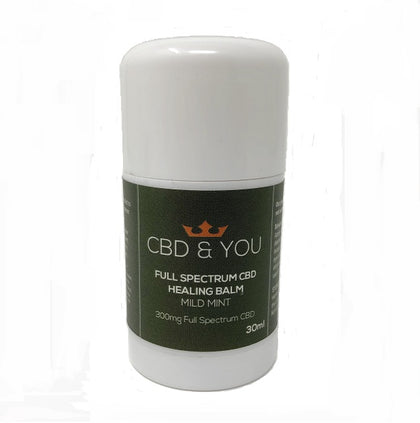
If you’d rather replace a split balm, look for stable, oil‑only formulations. For example, many customers choose a purpose‑made topical balm such as the Full Spectrum CBD Healing Balm. And if you need a water‑free topical oil to layer under a balm, a cold‑pressed drop like the Wylde Natural Cold‑Pressed Drops 1000mg CBD Oil 10ml can be a useful companion (applied separately, not mixed into a water‑containing cream).
Prevention & storage tips
- Store balms in a cool, dark place away from heat and UV light; refrigeration will extend shelf life.
- Use amber or opaque containers with airtight lids to protect cannabinoid potency and texture.
- Avoid leaving jars in cars or near radiators where repeated temperature swings occur.
- Sanitise hands and tools before use, and don’t introduce water during application or repair.
- Be mindful of ‘diva’ ingredients such as shea butter — slow, gentle heating and a controlled whipping and cooling phase prevent graininess.
Note: if you have a water‑based lotion (for instance an unscented CBD lotion), these are often true emulsions and when split they are frequently beyond repair; replacing with a fresh product such as an unscented formulation may be the safest option — consider the CBD Living Lotion Unscented 250mg as an example of a cream alternative if you prefer a lotion texture.
Practical safety reminder
Never introduce water during a repair. Sanitise tools and jars and inspect the product for odd smells or mould after any troubleshooting — if anything seems off, discard and replace. Also remember that essential oils and volatile botanicals can evaporate with heat, and cannabinoids slowly degrade with repeated heating and light exposure, so keep repairs to a minimum.
Conclusion
Many oil‑based CBD balms can be restored to a smooth, usable state with a single, careful re‑melting, homogenising and fast chilling cycle — but true emulsions and contaminated jars are usually not salvageable. With gentle technique, clean tools, and smart storage you can minimise texture issues and help preserve both the sensory quality and potency of your balm. If you prefer a fresh start, choosing a stable, oil‑only balm or a reputable lotion can be a reassuring way to maintain a reliable topical routine.