
Wylde Blogs
How to register and protect a CBD brand name and trade mark in the UK (2026) — Step‑by‑step guide
Introduction
Launching a CBD brand in the UK is an exciting commercial opportunity — but protecting the name, logo and product identifiers you build is essential. This guide explains, in plain terms, how to register and protect a trade mark in the UK in 2026. It covers the updated UKIPO fees effective from 1 April 2026, the typical timescales, strategic decisions about classes and specification drafting, plus ongoing monitoring and enforcement steps specific to CBD businesses.
Key concepts: what is a trade mark and why it matters
Trade mark — a sign, word, logo or combination used to distinguish your goods or services. In the CBD sector a trade mark protects consumer recognition and brand investment across products such as oils, balms, edibles and coffees.
Territory — UK trade marks confer protection in the United Kingdom only. Consider international routes separately if you plan to sell abroad.
Duration — a UK trade mark lasts 10 years from grant and must be renewed every 10 years to remain in force.
Step‑by‑step: from idea to registered trade mark
1. Decide the sign you want to protect
Choose whether to register a word mark (company or product name), a logo, a colour/device mark, or a combination. Word marks give broader protection for the words regardless of presentation; logos protect your visual identity. For example, a product line such as Wylde Natural Cold‑Pressed Drops 1000mg CBD Oil 10ml could be protected as a product name and/or label design.
2. Carry out comprehensive clearance searches
Before filing, commission or perform thorough clearance searches covering:
- registered trade marks (UKIPO register),
- online presence (domain names, social media handles), and
- common‑law/unregistered marks and use in the marketplace.
These searches reduce the risk of objections or expensive disputes down the line. Many businesses also search for visually similar logos and phonetic matches.
3. Choose the correct classes and draft your specification
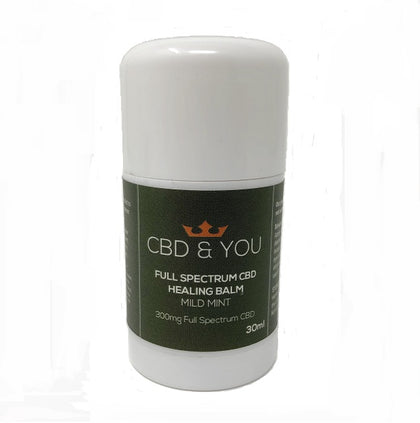
Trade marks are filed in classes (Nice Classification) that describe goods and services. Choosing the correct classes and drafting an accurate specification is strategic — you usually cannot expand the goods/services covered after filing. Cover current SKUs and plausible future aims (for example, oils, topicals and edible products). Examples from the Wylde range you might consider covering are Wylde CBD Gummy Bears 30x 10mg CBD per bear (Full Spectrum), Canavape Blue Dream Complete CBD E‑Liquid 1800mg 50ml, Full Spectrum CBD Healing Balm, or Cannacoffee Original CBD Coffee (Ground) when deciding which classes to include.
4. Prepare and file the application with the UKIPO
From 1 April 2026 the UKIPO filing fees are:
- £205 for the initial class, and
- £60 for each additional class.
File online via UKIPO. You will need a clear representation of the mark and the full list of goods/services (your specification).
5. Examination, publication and opposition
The UKIPO examines the application for formalities and conflicting earlier marks. If there are no objections, the process typically takes around 3–4 months from application to grant. If the examiner raises objections, you will need to respond.
If the application passes examination it is published in the Trade Marks Journal. Third parties then have a set opposition period during which they can object; be prepared to respond to oppositions or negotiate settlements.
6. Grant, duration and renewal
Once granted, your UK trade mark provides protection for 10 years; renew every 10 years to maintain protection. Keep records of use and proof of first use where possible — useful in enforcement or proof of reputation.
Post‑registration: monitoring and enforcement
Registration is only the beginning. Ongoing brand protection requires:
- market monitoring (watch services for later filed similar marks),
- domain and social handle policing,
- clear policies and templates for cease‑and‑desist letters, and
- an escalation plan with legal advisors for enforcement or litigation.
For CBD brands, also ensure your marketing avoids unapproved medicinal or therapeutic claims — phrase benefits carefully (for example, many people find or may support) and retain marketing copy evidence and lab reports to support non‑medicinal claims.
Practical tips and common pitfalls
- Cover future plans: draft specifications broadly but accurately — you generally cannot add new goods/services later without a fresh application.
- Watch for similar marks: visual or phonetic similarities can trigger objections even if goods differ.
- Protect trade dress and logos: consider both word and figurative marks if your visual identity is central to your brand.
- Budget for professional help: trademark attorneys and comprehensive clearance searches are an investment that reduces dispute risk.
- Register related assets: domain names, company names and social handles should be secured early.
Conclusion
Registering a trade mark in the UK remains one of the most effective ways to protect your CBD brand identity. The 1 April 2026 UKIPO fee update (£205 initial class; £60 per additional class) makes it straightforward to estimate official filing costs. Plan your specification carefully, perform robust clearance searches, be prepared for the publication/opposition phase and implement active monitoring after grant. Thoughtful legal planning now will safeguard the brand assets you and your customers come to trust.
If you sell consumer CBD products, consider pairing trade mark protection with clear labelling, Certificates of Analysis and careful marketing language to present a credible, compliant brand to the market.