
Wylde Blogs
How to wash and care for CBD‑infused clothing in the UK (2026): Gentle laundering and sustainable end‑of‑life options
Introduction
CBD‑infused clothing — garments finished with hemp extracts, plant-based coatings or CBD‑containing surface treatments — has become more visible on UK shelves in recent years. Caring for these pieces requires the same careful, low‑impact approach you would use for other delicate or treated textiles: gentle laundering, attention to sewn‑in labels and mindful end‑of‑life choices. This guide explains what to check before you wash, practical laundering steps to protect fabrics and finishes, and the sustainable disposal pathways that matter under the 2026 policy landscape.
Key concepts to understand
1. Labelling and what it means (UK rules in 2026)
UK care and fibre composition labelling remains aligned with retained EU textile rules in 2026. That means every garment should include a sewn‑in label showing clear fibre content and explicit care instructions. Before you wash any CBD‑infused item, check that label: fibre mix, recommended wash temperature, permitted cycles, tumble‑dry symbol and ironing guidance provide the most reliable information for preserving both fabric and any surface treatment.
2. Treating CBD finishes like other delicate treatments
Manufacturers commonly recommend cold water and a gentle machine cycle, avoiding tumble drying and high heat to protect fabrics and surface treatments. Apply the same approach to CBD‑infused garments: gentle detergent, low temperatures and air drying will reduce the chance of fading, shrinkage or breakdown of applied finishes.
3. Microfibre and microplastic risk
Washing synthetic or treated textiles releases microfibres. Simple measures — full loads, low temperatures, avoiding the tumble dryer and using filters or capture bags — reduce the release of microplastics into waterways. Devices such as a GUPPYFRIEND wash bag or in‑machine filters are widely recommended by environmental groups for this purpose.
Practical care: step‑by‑step
Before you wash
- Read the sewn‑in label. Confirm fibre composition and follow the explicit care symbols and written instructions.
- Inspect for finishes. If the garment is described as ‘infused’, ‘treated’ or has a visible coating, err on the side of gentleness: lower temperatures, gentle detergents and shorter cycles.
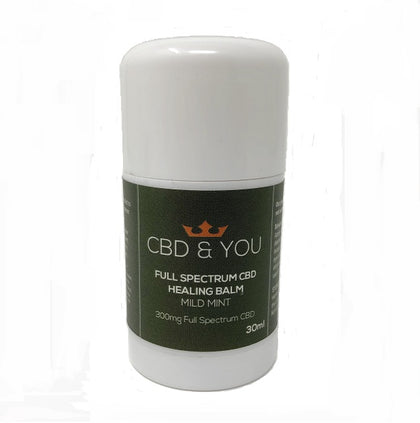
- Spot test and treat carefully. For minor stains or repairs, avoid harsh solvents. Keep a small first‑aid mending kit and items to care for your hands when sewing — for example a soothing tin of Full Spectrum CBD Healing Balm can be handy to soothe hands after needlework.
Washing: best practices
- Cold water, gentle cycle. Use a cool or cold wash and the most delicate cycle available on your machine; this protects both fibre and any CBD‑based finish.
- Use the right detergent. Choose a mild, low‑alkaline liquid detergent. Powder or aggressive stain removers can be abrasive to delicate finishes.
- Turn garments inside out. Reduces abrasion on printed or treated surfaces.
- Full but not overloaded loads. Washing at capacity minimises friction between items and helps reduce microfibre release; avoid tiny loads that allow garments to tumble harshly against drum surfaces.
- Capture microfibres. Use a capture bag or in‑machine filter (for example GUPPYFRIEND) and consider an external lint filter where available.
- Skip fabric softener. Softeners can leave residues that affect finishes and reduce the breathability of natural fibres.
Drying and ironing
- Air‑dry where possible. Lay flat or hang to dry in shade to preserve shape and finishes; avoid direct high heat.
- No tumble drying for treated garments. High heat accelerates breakdown of surface treatments and can cause shrinkage.
- Low‑heat ironing for hemp blends. Hemp and hemp‑blend garments are robust but still benefit from low‑heat ironing when required; many hemp care guides advise using a protective cloth and minimal steam.
Specific notes for hemp and hemp‑blend garments
Hemp is naturally durable and becomes softer with gentle use, but the same low‑temperature, mild‑detergent routine will keep garments looking and fitting their best. Reshape wet garments to the correct dimensions and avoid leaving them crumpled while drying. If you use topical products at home — for example a neutral moisturiser such as CBD Living Lotion (unscented) or an overnight oil like Vitamin E CBD Radiance Revive Night Oil for skin care after sewing or mending, avoid contact with fabric to prevent oil stains.
Sustainable end‑of‑life options (context for 2026)
From mid‑2026 the EU’s Ecodesign for Sustainable Products Regulation (ESPR) tightens requirements on textile durability, circularity and prohibits destruction of unsold stock for many categories. UK brands that sell into the EU must prepare routes for reuse, repair, resale and recycling. At the same time, UK sector initiatives — notably the UK Textiles Pact and WRAP’s 2026–2030 roadmaps — are pushing for longer garment lifespans and clearer consumer guidance.
Practical disposal routes
- Repair. Mending a seam, replacing a button or patching a hole extends life. Local repair cafés and community tailoring services are growing in the UK.
- Resale or donation. Clean, wearable items can be given to charity shops or sold through resale platforms; buyers increasingly look for full fibre and care information on labels.
- Recycling schemes. Where a garment is beyond repair, consult brand take‑back programmes, municipal textile banks or specialist recyclers. New labelling and rules will increase transparency on recyclability and where to return items.
- Avoid landfill. Industry guidance and upcoming rules favour circulation over disposal — landfill is the least sustainable option.
Conclusion
Caring for CBD‑infused clothing in 2026 is largely about following sound, low‑impact laundry principles and paying attention to the sewn‑in label. Cold water, gentle cycles, full but not overloaded loads, microfibre capture and air drying will protect both fabric and finishes. When a garment reaches the end of its usable life, repair, donation, resale and recycling are the preferred routes and align with evolving UK and EU policy. Keep a small mending kit and skin aftercare items — such as a gentle unscented lotion or a nourishing balm — to make repair and care comfortable, and check your garment’s label for the best long‑term results.
Small note: avoid spilling oils (for example aromatic massage oils) on textiles — even premium scented products like Wylde Entourage Massage Oil can stain; treat any oil marks promptly and follow label advice.