
Wylde Blogs
How to Spot Misleading CBD Advertising in the UK (2026): Recent ASA Rulings, Claim Red Flags and a Practical Consumer Checklist
Introduction
As the UK CBD market matures, advertising scrutiny has increased. In 2026 regulators such as the Advertising Standards Authority (ASA), the Committee of Advertising Practice (CAP) and the Competition and Markets Authority (CMA) are actively policing claims, pricing and influencer activity. For shoppers this means both greater protection and a need for careful scrutiny: a few words on a product page can imply far more than you expect. This guide explains what to watch for, summarises important recent rulings and gives a practical checklist you can use the next time you shop for CBD products.
Key concepts: what counts as misleading?
At the heart of UK ad law is a simple principle: adverts must not mislead. For CBD this has several specific implications.
Medicinal vs wellness language
The ASA and CAP make clear that non‑licensed CBD products must not make medicinal claims. Phrases such as ‘treats anxiety’, ‘cures insomnia’ or any language that implies a product is a medicine are likely to be judged as implying a medicinal claim and are therefore prohibited for unlicensed CBD products. Instead, compliant communications use cautious wellness language such as ‘may support’, ‘some users report’ or ‘many people find’.
Evidence standards
Objective claims must be supported by documentary evidence. Recently (April 2026) the ASA upheld rulings against brands that used terms like “clinically proven” where the underlying evidence — for example subjective self‑reports, small uncontrolled studies or trials with inadequate methodology — was insufficient to substantiate such a statement. If an advertiser says “clinically proven”, expect to see robust, peer‑reviewed clinical trials and clear, relevant data; otherwise treat the claim as a red flag.
Pricing and comparative claims
Comparative price claims in the cannabis/CBD sector are high risk. A January 2026 ASA ruling found pricing comparisons misleading where competitor data could not be verified, where comparisons were not like‑for‑like, or where essential signposting (such as the basis of calculation or any non‑optional charges) was missing. The ASA and CMA now prioritise pricing transparency under the Digital Markets, Competition and Consumer Act framework, so vague “cheaper than X” claims should be treated with caution.
Influencers and sponsored posts
Influencer content is treated as marketing communications. A recent ASA decision found celebrity posts implying health benefits and using discount codes should have been clearly labelled as ads and should have avoided medicinal language. If an influencer post praises a CBD product and includes a promo code or affiliate link, it should be plainly identified as an advertisement and must not make medicinal claims.
Details: specific areas to watch
- “Clinically proven” or similar absolutes — ask for the study and evaluate sample size, controls and where it was published.
- Unverified price comparisons — check the basis of comparison, dates and whether the products compared really match (mg per dose, delivery system, batch offers).
- Hidden extra charges — the ASA/CAP require that price claims include all non‑optional charges (delivery, mandatory taxes or fees).
- Testimonials presented as evidence — personal reports can be persuasive but are not a substitute for objective documentary validation.
- No COA or inaccessible lab reports — responsible sellers make Certificates of Analysis (COAs) available and easy to verify (QR code, batch number, lab name).
- Unlabelled influencer posts — if an endorsement isn’t labelled as an ad, question whether it’s genuine editorial content.
- Health/nutrition claims for oral CBD — there are currently no authorised CBD‑specific health or nutrition claims on the GB Nutrition & Health Claims Register; general health benefit claims for oral CBD are effectively prohibited.
Practical consumer checklist
Use this short checklist when evaluating a CBD product or advertisement:
- Read the language: avoid products claiming to ‘treat’, ‘cure’ or ‘prevent’ — look for softer phrasing such as ‘may support’.
- Ask for evidence: is there a COA with batch number, lab name and a clear cannabinoid profile? Can the COA be validated independently?
- Scrutinise “clinically proven” claims: request the study and check whether it is peer‑reviewed and relevant to the product formulation.
- Check price comparators: are comparisons transparent, dated and like‑for‑like (same strength, same product format)? Are all charges included in the advertised price?
- Inspect influencer posts: is the post labelled as an ad? Does it promise measurable health benefits? If so, treat with scepticism.
- Look for contact and address: legitimate traders include clear contact details and a returns policy.
- Keep receipts and screenshots: if you suspect misleading advertising you will need evidence when reporting it to the ASA or Citizens Advice.
For example, when checking oil labels or product pages, confirm the COA and batch details for a product such as Wylde Natural Cold‑Pressed Drops 1000mg CBD Oil 10ml or check serving information for edibles like Wylde CBD Gummy Bears 30x 10mg. If you see bold health claims for sleep products such as OTO 10 CBD Sleep Drops, or vape‑related claims like those sometimes used around Canavape Blue Dream Complete CBD E‑Liquid 1800mg, apply the same scrutiny.
What to do if you spot misleading advertising
If you believe an advert is misleading, save a screenshot, note the URL, keep purchase receipts and report it to the ASA via their complaints page. For serious consumer protection concerns about pricing or unfair commercial practice, Citizens Advice can help you escalate to the CMA. Increasingly in 2026 regulators are using automated monitoring tools (for example the ASA’s AI‑based Active Ad Monitoring System) and co‑ordinating with the CMA under the DMCCA to enforce pricing transparency, fake reviews, influencer disclosure and environmental claims.
Conclusion
Stronger enforcement in 2026 means clearer rules and better protection, but it also requires shoppers to stay alert. Focus on the language used, demand verifiable evidence (COAs and robust study references), check pricing details, and treat unlabelled influencer endorsements with scepticism. When in doubt, use the checklist above, keep records and report any suspected breaches. A little scrutiny goes a long way to ensuring you make informed, safe choices in the evolving UK CBD market.
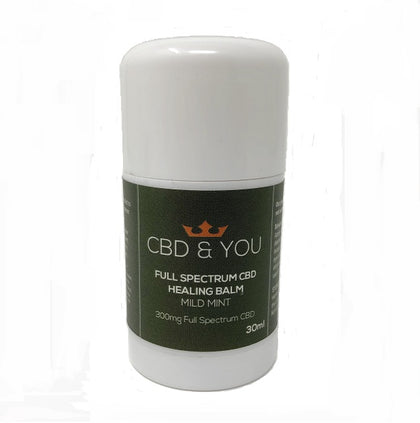
Further reading: if you want practical examples of compliant packaging and COA presentation, examine reputable product listings such as our topical Full Spectrum CBD Healing Balm for how batch details and lab links can be displayed responsibly.