
Wylde Blogs
UK 2026: The rise of smart wearable CBD transdermal patches — brand launches, retail rollouts and tech features to watch
Introduction
2026 is shaping up to be a watershed year for wearable wellness in the UK, and at the heart of that shift are smart transdermal CBD patches. Once a niche delivery format, patches have moved from simple adhesive strips to connected devices that combine micro‑delivery technology, app-driven ergonomics and data-led personalisation. This article surveys the trends behind that momentum, why they matter to consumers and retailers, real examples to watch, and how the category may evolve across the next few years.
What's trending
Several converging trends explain the rapid rise of wearable CBD patches in the UK market:
- Strong device market tailwinds: the global wearable patch market was valued at USD 12.8 billion in 2025 and — according to Mordor Intelligence — is forecast to grow from USD 14.19 billion in 2026 to USD 23.79 billion by 2031. That scale-up signals sustained demand for patch form factors across health and wellness categories.
- Rapid CBD patch innovation: market research into CBD-specific patches shows quick product evolution. Pain-relief formats currently lead the range, while anxiety- and sleep-focused patches are the fastest-expanding segments, per the CBD Patch Growth Opportunities report (DataInsightsMarket).
- Tech-enhanced launches: trade coverage from sources such as CoherentMarketInsights, IndexBox and MedicalDeviceNetwork documents an uptick in patches integrating sensors, Bluetooth connectivity and AI-enabled personalisation — features that help brands differentiate and deepen consumer engagement.
- UK and Western Europe in focus: major wearable patch reports explicitly model UK demand, and early pilot programmes and NHS test-beds for AI-enabled patch technologies indicate a receptive environment for clinical-to-consumer pathways (ResearchAndMarkets, Mordor Intelligence).
Why it matters
This trend matters for three interlinked reasons. First, patches offer a discreet, consistent delivery format that appeals to time-poor consumers and those seeking low-fuss wellness routines. Second, connected features — from biosensors to app-driven schedules — create recurring engagement opportunities, supporting subscription and direct-to-consumer models. Third, a clearer regulatory and policy conversation in the UK around medical versus wellness positioning means brands must be transparent; consumers increasingly demand evidence, clear labelling and differentiation from prescription treatments, a point highlighted in 2026 consumer coverage (Gentle Patches / Yahoo Finance UK).
Examples — brand launches, retail rollouts and product pairings
2026 has seen a mix of specialist start-ups and established CBD brands enter the smart patch space, while retailers experiment with placement and education:
- Tech-enabled entrants: new product launches are pitching microneedle or advanced transdermal matrices alongside miniaturised biosensors that can monitor basic skin markers or verify patch adhesion. Reports from IndexBox and MedicalDeviceNetwork point to AI models being used to suggest personalised dosing schedules and push timely reminders via companion apps.
- Retail strategies: brands are pairing subscription models with influencer partnerships and specialist retail placements to reach Gen Z and millennial shoppers — already a dominant audience for patch formats (StrategicMarketResearch).
- Clinical-to-consumer pathways: UK pilot projects and test-beds have created routes where validated sensor-enabled patches move from trial environments into retail in a regulated, transparent manner (ResearchAndMarkets).
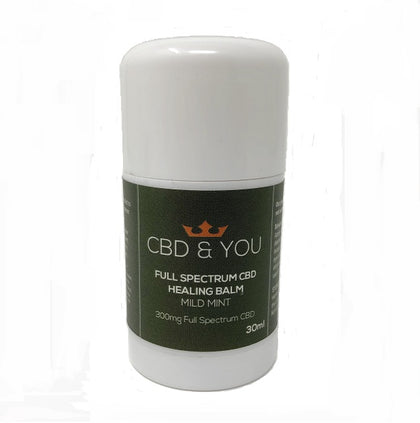
Alongside patches, legacy transdermal and topical products remain relevant as complementary offerings. For example, established topical formats continue to appear on wellness shelves and in recovery kits — from a concentrated Full Spectrum CBD Healing Balm to an unscented everyday moisturiser such as CBD Living Lotion (Unscented 250mg), and high-strength recovery formulas like CBD Living Freeze 1500mg Body or a targeted adhesive such as the CBD Living Topical Patch.
Retail rollouts to watch
- Specialist health stores and boutique wellness retailers prioritising education-led displays and staff training to explain differences between patch types.
- Direct-to-consumer subscription launches offering personalised patch schedules via companion apps, often bundled with topical products for routine layering.
- Selective high-street placements and pop-up activations aimed at younger buyers, leveraging creator partnerships to normalise patch use.
Future outlook — what to watch through 2027 and beyond
Looking ahead, several developments will shape the category's trajectory:
- Continued device scaling: with the broader wearable patch market forecast showing strong CAGR through 2031, we can expect more entrants and greater investment in R&D, especially around microneedle delivery and reliable biofeedback sensors.
- Regulatory and policy clarity: UK conversations about clear differentiation from prescription technologies and transparent evidence will incentivise brands to publish robust quality data and clearer labelling, helping consumers make informed choices.
- Data-driven personalisation: app connectivity and AI that help consumers tailor timing and dosage — while remaining within wellness claims — will become competitive differentiators, provided consumer privacy and data governance are addressed.
- Retail maturation: expect more hybrid models where clinical pilot results inform retail launches, and retailers curate patches alongside topical and oral CBD products to offer holistic routines.
Conclusion
Smart wearable CBD transdermal patches are no longer a speculative novelty in the UK — they are a growing category shaped by wider wearable-device momentum, rapid CBD product innovation and tech integration. For consumers, the appeal is discreet, consistent delivery paired with digital tools that support routine and engagement. For brands and retailers, the opportunity lies in combining credible transparency, thoughtful retail placement and subscription‑ready tech features. As the market matures, the most successful offerings will be those that balance innovation with clarity, quality and responsible communication about benefits.
Note: this article discusses market trends and product formats; it does not imply medical efficacy. Consumers should consult qualified professionals and consider product labelling and certificates of analysis when making wellness choices.