
Wylde Blogs
2026 UK CBD for Pets boom: retail launches, rising vet endorsement and where owners are buying oils, treats and grooming products
Introduction
Over 2025–2026 the UK has seen an unmistakable surge in pet-focused CBD products. From supermarket test-shelves to specialist e‑commerce stores and an emerging presence in veterinary clinics, pet CBD is moving from niche to mainstream. This article surveys the major trends driving the boom, why they matter to owners and retailers, real examples from the market, and what to expect next.
What’s trending
Fast growth and big retail launches
Market reports for the UK and Europe consistently show pet CBD (oils, chews/treats and hemp grooming products) as one of the fastest‑growing CBD niches. Analysts put the European/ global CBD pet sector in the hundreds of millions by 2024 and project strong multi‑billion growth into the early 2030s. In 2025–2026 several major retail chains and premium high‑street shops began trialling pet CBD ranges, while pure‑play e‑commerce brands expanded SKU depth and subscription offerings.
Veterinary attitudes are shifting
Veterinary sentiment is evolving from scepticism to cautious interest. Increasingly, vets report questions from clients about CBD for anxiety and mobility support in older animals, and a growing number say they are researching evidence, attending CPD sessions and discussing product safety and sourcing openly. Industry sources now predict a meaningful rise in vets who will both recommend selected pet CBD products and begin stocking them within clinics.
Dogs still lead — but cats are catching up
Dogs dominated the segment in 2025 with roughly a 63% share, but feline‑specific formulations and treats are multiplying. Cat owners are driving demand for palatable, low‑dose formats and species‑appropriate flavours, and product developers are responding with smaller‑dose oils, pastes and soft chews designed for felines.
Product category winners
- Therapeutic‑grade CBD oils & supplements — fastest‑growing subcategory, with reports citing double‑digit CAGRs. Innovations such as nano‑emulsion and water‑dispersible formulations aim to shorten onset times and improve bioavailability.
- Treats and chews — food‑grade, palatable options remain hugely popular for easy dosing and training rewards.
- Hemp‑based grooming — shampoos, balms and conditioners are expanding rapidly as owners seek natural grooming solutions for skin and coat care.
Why it matters
Changes in consumer behaviour
Three main consumer drivers are powering demand: pet humanisation (pets as family members), an ageing pet population with increasing interest in mobility and joint care, and a desire among owners for gentler alternatives to long‑term pharmaceuticals for issues such as anxiety and mobility. Many owners say they try CBD as a complementary approach and report subjective improvements in calmness or comfort, though formal clinical evidence is still emerging.
Retail and regulatory implications
Retailers see pet CBD as an attractive growth category that can drive footfall and subscription revenues. Veterinary involvement adds a layer of professional endorsement that can reassure buyers, but it also raises expectations around product quality, clear labelling and proof of third‑party testing. Brands that prioritise transparent COAs, clear pet dosing guidance and species‑specific formulations are gaining trust faster.
Examples from the market
Across the UK, examples of the trend are visible at multiple touchpoints:
- Specialist pet retailers expanding ranges with therapeutic‑grade oils and single‑ingredient chews.
- Selected high‑street retailers trialling hemp grooming lines alongside existing premium pet brands.
- Veterinary clinics hosting focused product shelves and running informational evenings for owners.
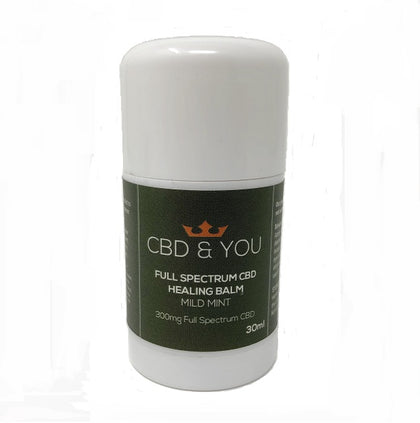
Outside the pet category, established wellness brands are also developing hemp personal‑care products that reflect the grooming trend. For instance, Wylde’s own premium grooming and topical range for human use includes items such as the Full Spectrum CBD Healing Balm and the CBD Living Soap 60mg—examples of how hemp‑infused grooming products are presented to a premium market. Note: owners should look for pet‑labelled grooming products and consult their vet before using human formulations on animals.
On the oils front, technology advances seen in human therapeutic oils — such as cold‑pressed botanical extracts and higher‑concentration preparations — are informing pet formulations. Consumers increasingly seek clear potency options; for reference, Wylde’s human cold‑pressed drops are available in multiple strengths like Wylde Natural Cold‑Pressed Drops 1000mg, 2000mg and 4000mg in human formats; pet owners should select purpose‑built pet products and follow veterinary guidance for dose and formulation.
Where UK owners are buying
- Online marketplaces & specialist e‑commerce — the primary channel, offering range, reviews and subscriptions.
- Pet specialty stores — growing in importance for in‑person guidance and curated ranges.
- Veterinary clinics — increasingly visible as a trusted point of sale as more clinicians evaluate product quality.
- Selected high‑street retailers — limited rollouts and test shelving of premium pet CBD grooming lines and dried treats.
Future outlook
The next 12–36 months should bring continued expansion of species‑specific formulations (especially for cats), improved delivery technologies (nano‑emulsions and palatable pastes) and deeper clinical dialogue between researchers and veterinary professionals. Retail will continue to diversify: expect more clinic retailing, targeted online subscription models, and curated bundles that pair supplements with grooming products.
Quality, transparent labelling and vet engagement will be decisive. Brands and retailers that invest in third‑party testing, clear pet dosing guidance and educational outreach are likely to capture the most discerning UK owners as the market matures.
Conclusion
The UK pet CBD boom is less about a single product and more about a shift in how owners and professionals approach pet wellbeing: humanisation, ageing populations and demand for gentler options are aligning with retail willingness and technological innovation. While growth opportunities are significant, the market’s long‑term success will hinge on responsible product development, evidence‑led conversations with vets and clear consumer education. For owners exploring options, the sensible steps remain the same: seek pet‑labelled products, review third‑party testing, and discuss choices with your veterinary team.