
Wylde Blogs
How to Verify a UK CBD Product’s Organic, Vegan and Cruelty‑Free Claims in 2026 — Step‑by‑Step Checks
Introduction
With UK CBD regulation still evolving in 2026, shoppers must be more vigilant than ever. Many brands use natural imagery and look‑alike marks to suggest sustainable or ethical credentials. This guide explains, in clear steps, how to verify organic, vegan and cruelty‑free certifications are genuine — and how to request the batch‑specific lab documentation that proves what’s actually in the bottle or jar.
Key concepts: what you need to know
Recognised certifiers and codes
Genuine organic claims will display a recognised certifier logo (for example Soil Association, EU Organic or USDA Organic) plus a certifier code such as GB‑ORG‑05. That code can be checked in the certifier’s online directory to confirm the licence holder and scope of certification.
Certificates of Analysis (COAs)
Always request a batch‑specific third‑party Certificate of Analysis (COA) from an accredited independent laboratory. A full COA shows the complete cannabinoid profile, a quantified THC result expressed as an actual mg per container figure (the industry benchmark in the UK is under 1mg per container rather than vague statements), and results for heavy metals, pesticides, microbial contaminants and solvent residues.
FSA traceability and novel food context
The Food Standards Agency (FSA) maintains a public register of CBD products linked to validated novel food applications. Because validation and traceability are product‑specific, it’s essential the finished product — not only the extract supplier — appears on that register or is demonstrably linked to a validated application.
Step‑by‑step verification checks
1. Organic (Soil Association and other certifiers)
- Look for the certifier logo and a printed certifier code (e.g. GB‑ORG‑05) on packaging or the product page.
- Visit the certifier’s online directory (Soil Association or the relevant body) and search the code or company name to confirm the licence is current and covers the finished product.
- If the code is absent or the logo is a low‑quality image, ask the brand to supply an active certificate or a direct link to the certifier’s listing.
- Remember: organic certification is optional and hard to obtain. Many brands use 'natural' imagery — cross‑checking the certifier code avoids greenwashing.
2. Vegan (V‑Label / European Vegetarian Union)
- Genuine vegan certification is commonly issued by the V‑Label (European Vegetarian Union). The product or company should be listed in the EVU database.
- Request the certifier’s reference number or a link to the database entry, then verify the scope (some certifications cover only specific product ranges).
- Ask whether any excipients, flavours or carrier oils are animal‑derived; a vegan certificate must reflect the finished product formulation.
3. Cruelty‑free (Leaping Bunny, PETA)
- Look for Leaping Bunny or PETA cruelty‑free logos and check the certifier’s public database. These schemes list approved companies and the brands covered.
- Ask the brand whether the parent company conducts or finances animal testing anywhere in the product lifecycle. A cruelty‑free listing should explicitly exclude such activity.
- If a product is certified cruelty‑free but the corporate owner is not listed, request clarification — corporate structure can affect the validity of the claim.
4. Requesting and reading batch‑specific COAs
- Ask the retailer or brand to supply a batch‑specific COA for the finished product. COAs for generic hemp extract alone are not sufficient.
- Check the COA includes: full cannabinoid profile, quantified THC in mg per container, heavy metals, pesticides, microbial and solvent residue results.
- Confirm the issuing laboratory is independent and accredited (for example UKAS in the UK). Accredited labs display their accreditation number on the report.
- Ensure the COA names the exact batch number and product SKU, and that the dates align with production and testing timelines — this supports traceability.
5. Verifying FSA novel food traceability
- Search the FSA’s public register for the finished product or the business name to find entries linked to validated novel food applications.
- Ensure the register entry or supporting documentation links the finished product back to the specific hemp extract batch used — COAs and novel food files should reference the same batch numbers and SKUs.
- Where uncertainty remains, ask the brand for a link to the FSA entry or for documentation showing validated status; keep in mind the regulatory landscape is still in flux.
Practical red flags and questions to ask
- No certifier code alongside an organic logo, or a poor‑quality logo image.
- Only an extract‑level COA is provided (no finished product testing).
- THC reported as a percentage without an mg per container calculation — ask for the container mg figure and a supporting calculation.
- Lab report lacks accreditation details, or the batch numbers on the COA don’t match the SKU or production date.
- Cruelty‑free or vegan logos without verifiable database entries, or parent companies known to conduct animal testing.
Applying these checks to specific products
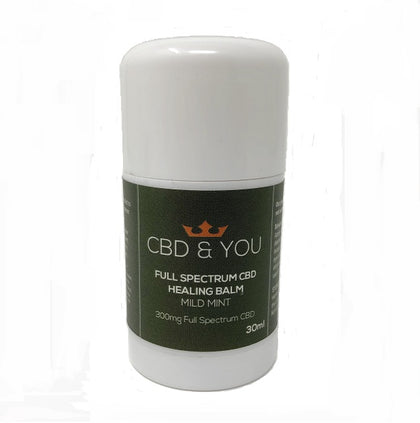
When evaluating a dropper oil, gummy or topical, follow the same routine: check the certifier’s database for logos and codes, request the finished product COA, and verify the finished product appears on the FSA register. For example, if you were reviewing Wylde’s drops or topicals, you could request and expect the finished product COA and certification details for items such as Wylde Natural Cold‑Pressed Drops 1000mg, the Wylde CBD Gummy Bears, or topicals such as the Full‑Spectrum CBD Healing Balm, the Vitamin E CBD Radiance Revive Night Oil or the Retinol + CBD Intensive Anti‑Ageing Night Moisturiser. In each case, request the finished product COA, the certifier code for any organic or vegan claims, and proof of FSA traceability.
Conclusion
In 2026, responsible CBD buying means asking specific, traceable questions and insisting on verifiable documentation. Check certifier logos and codes against official directories, demand batch‑specific COAs from accredited labs with THC reported as an mg per container figure, and confirm the finished product is linked to a validated FSA novel food entry. These steps protect you from greenwashing and help ensure the product’s claims are transparent, verifiable and up to date.