
Wylde Blogs
2026 UK guide: When a CBD topical is a cosmetic — labelling, THC limits, safety assessments and key regulatory deadlines
Introduction
As UK regulation tightens in 2026, brands selling CBD topicals need a clear, practical roadmap. Whether a product is regulated as a cosmetic or re‑classified as a medicine depends less on the ingredient list and more on how the product is presented and labelled. This guide explains the current UK position, the specific obligations for cosmetic CBD topicals, THC limits and the new 2026 deadlines brands must meet to remain compliant.
Key concepts: cosmetic versus medicine
How regulators decide
Under current UK practice (MHRA), a CBD product that is marketed with a medical or therapeutic claim — for example, language implying it will treat, cure or prevent disease or diagnose a condition — will be classed as a medicine and therefore requires a UK marketing authorisation. Many people find CBD helpful for general wellbeing, but describing a topical as relieving pain, inflammation or anxiety risks MHRA reclassification. Failure to comply can lead to enforcement action, product withdrawal or fines.
Common classification for topicals
Most CBD products intended for application to skin, hair or nails are regulated as cosmetics under the UK Cosmetics Regulation rather than as novel foods. This means they do not require FSA novel food authorisation — that framework remains applicable to ingestible CBD products such as oils, gummies and capsules — but cosmetics have their own strict obligations that brands must meet.
THC limits and ingredient verification
One of the most important points for cosmetic CBD is THC. In the UK, THC is not permitted in cosmetic products: cosmetic CBD should be essentially THC‑free for sale. Brands must verify and test their CBD inputs to demonstrate the absence (or undetectable levels) of THC and keep Certificates of Analysis (COAs) to support that position. Routine batch testing, robust supplier due diligence and clear traceability are essential.
Cosmetics compliance: what every CBD topical must have
Cosmetic CBD products are subject to a set of well‑defined obligations. Practical essentials include:
- Qualified safety assessment: a safety assessor must prepare a formal assessment showing the product is safe for its intended use.
- Product Information File (PIF): a maintained PIF must be available and contain formulation, manufacturing details, COAs, safety assessment and evidence for claims.
- Full INCI labelling: ingredient listing in INCI format on the label or packaging.
- Batch numbers and lot traceability: to enable recalls and quality tracking.
- Responsible person/contact details: a named responsible person established in the UK or a UK appointed representative must be identified on or with the product documentation.
- Notification: notification to the UK cosmetics notification system (OPSS/notification portal) must be completed before placing the product on the UK market.
2026 regulatory changes and key dates
The UK has announced important updates to cosmetics regulation with new labelling and ingredient restrictions coming into force in 2026. Notably, there are updated bans on CMR (carcinogenic, mutagenic or toxic for reproduction) substances and other ingredient updates that affect formulation choices.
Brands should prepare for the following transition dates (examples used as reference points — check official guidance for full details):
- 15 July 2026 — key deadlines for updated ingredient lists and initial labelling changes to be implemented in packaging and PIFs.
- 15 August 2026 — further transitional obligations and final cut‑off for certain grandfathered ingredients; after this date non‑compliant products may be subject to enforcement.
These dates mean brands should begin reviewing formulations, supplier COAs and label copy now to ensure a smooth transition.
Marketing language: stay in the cosmetic lane
Language determines regulatory classification more often than the ingredient profile. Use cosmetic and wellbeing‑focused claims such as "moisturises", "nourishes skin barrier", or "supports skin comfort" and avoid therapeutic wording that refers to diagnosing or treating conditions. For example, saying a balm "may support skin comfort after exposure to the elements" is less likely to attract MHRA attention than claiming it "relieves pain".
Practical checklist for UK CBD topical brands
Actionable steps to reduce regulatory risk:
- Confirm product positioning and revise marketing copy to avoid medical or therapeutic claims.
- Commission a safety assessment from a qualified assessor and compile a complete PIF.
- Ensure COAs show THC is absent/undetectable and keep supplier documentation on file.
- Include full INCI labelling, batch numbers and responsible person details on packaging.
- Notify the product via the OPSS/notification portal before placing it on the market.
- Plan reformulation if any ingredients are affected by the 2026 CMR and labelling updates and meet the 15 July / 15 August 2026 timelines.
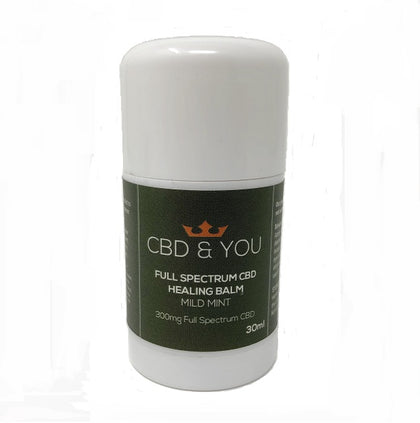
For example, many brands offering topical solutions — from a soothing jar to a massage oil — treat these as cosmetics and maintain full compliance. Examples in the market include products such as the Full Spectrum CBD Healing Balm, the CBD Living Freeze 1500mg Body, the Wylde Entourage Massage Oil (Bergamot & Lavender), the Vitamin E CBD 600mg Radiance Revive Night Oil and the Retinol + CBD Intensive Night Moisturiser — all of which illustrate the cosmetic positioning and the documentation a compliant brand should hold.
Conclusion
The dividing line between a cosmetic and a medicine in the UK is not the presence of CBD but the claims, labelling and supporting evidence. Cosmetic CBD topicals must be essentially THC‑free, supported by a qualified safety assessment, a maintained PIF, correct INCI labelling, batch traceability, notification to OPSS and careful marketing language. With the 2026 ingredient and labelling changes approaching, brands should audit formulations and documentation now to reduce risk and ensure a compliant launch or continued sale in the UK market.