
Wylde Blogs
How to Remove CBD Oil Stains from Wooden Furniture (2026) — Step-by-Step for Varnished, Oiled and Unfinished Wood
Introduction
Spilling CBD oil on a favourite wooden table or an oiled floor can be disheartening. CBD products are usually oil‑based (carrier oils such as MCT, hempseed or olive oil), which makes them prone to sitting on or seeping into wood grain. Whether the spill came from an everyday bottle such as the Wylde Natural Cold‑Pressed Drops or a massage blend like the Wylde Entourage Massage Oil, the correct response matters. This guide gives calm, practical steps for immediate action and longer‑term restoration for varnished, oil‑finished and unfinished wood.
Problem statement
An oil spill can leave a dark, greasy spot on wood. If left untreated, oils may penetrate the finish and grain, darkening the timber and becoming harder to remove. Different finishes (varnish, oil finish, or unfinished/porous wood) need different approaches to avoid damaging the surface while extracting the stain.
Common causes
- Slow response: letting oil sit allows it to soak into pores or under the finish.
- Rubbing instead of blotting: agitation pushes oil deeper into grain or spreads the stain.
- Using the wrong cleaner: harsh abrasives or too much water can damage finishes or swell unfinished wood.
- Incompatible solvents: choosing an overly aggressive solvent without testing can strip varnish or discolour timber.
Solutions — step‑by‑step
Before any cleaning, remove excess oil carefully and identify the finish: glossy/varnished, oil‑finished, or unfinished/porous. If you’re unsure, test any cleaner in an inconspicuous spot.
Immediate action for all surfaces
- Act quickly. Blot up excess CBD oil with paper towels or a lint‑free cloth—avoid rubbing, which forces oil into the grain.
- Absorb first. Cover the fresh stain with a 1–2 cm layer of baking soda or cornflour and leave for 30–60 minutes. These powders draw oil out; brush away gently and repeat if needed. For larger spills or very greasy residues, a specialised absorbent such as Fuller’s Earth will perform better.
Varnished or sealed wood
Varnishes and lacquers create a protective film; your aim is to lift grease without dulling the finish.
- After blotting and absorbing, mix a few drops of mild dish soap with warm water. Dampen (not soak) a soft cloth and wipe the area along the grain.
- Rinse the cloth in clean water and wipe again to remove soap residue, then dry thoroughly with a soft towel.
- If grease remains, use a wood‑safe degreaser according to the product instructions. Avoid abrasive pads or heavy scrubbing that will dull the sheen.
Oil‑finished wood (oiled furniture or floors)
Oil finishes are porous and compatible with oils, so spills can be more persistent.
- Blot and absorb as above.
- For residual hemp/CBD oil, an application of odourless mineral spirits (or a specialist wood solvent) can lift the oil. Apply with a soft cloth, working gently along the grain. Test first in an unseen area and ensure good ventilation.
- After treatment, the area may look paler or drier—this is normal. Once dry, restore protection with an appropriate maintenance oil. For oiled floors, many professionals recommend a maintenance product such as Junckers Maintenance Oil; follow manufacturer guidance for furniture oils.
Unfinished or very porous wood
Unfinished timber soaks liquids quickly; water can worsen the problem by spreading the stain or causing swelling.
- Absorb excess immediately with powders (baking soda or cornflour).
- Avoid flooding with water. If cleaning is needed, use minimal damp cloths and blot dry straight away.
- For deep staining, light sanding with fine grit can remove surface‑penetrated oil. Move gently and sand only until the stain is gone.
Aged or deep stains
If a stain has set in or penetrated the grain, more intensive restoration may be necessary.
- Light, targeted sanding (fine grit) can remove discoloured wood fibres—follow with dusting and inspection.
- For stubborn discoloration, a targeted wood bleach such as oxalic acid may be used to lift certain stains. Use gloves and eye protection, strictly follow the manufacturer’s instructions, neutralise and rinse as directed, and allow the wood to dry fully before refinishing.
- If the stain remains or the surface is badly affected, be prepared to refinish the area or seek a professional restorer.
Maintenance and restoration
After stain removal, protect and nourish the wood. Oiled furniture or floors often benefit from re‑oiling or a maintenance oil application to restore water‑repellency and appearance. Regularly wipe up spills immediately and use coasters and mats under bottles—this simple routine prevents many problems.
Practical precautions
- Avoid excess water on unfinished wood; moisture can cause swelling and deeper staining.
- Always test cleaners and solvents in a hidden area before treating a visible surface.
- When working with solvents (mineral spirits, oxalic acid), ventilate the room and wear gloves and eye protection.
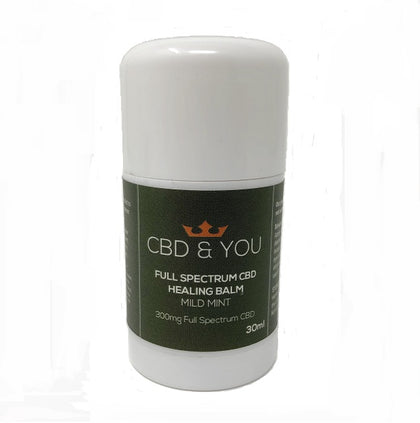
- If a spill involves a high‑strength product such as CBD Living Tincture 4500mg or a dense balm like the Full‑Spectrum CBD Healing Balm, act immediately and follow the absorb‑then‑clean sequence.
- For cosmetic oil products such as Vitamin E CBD Radiance Night Oil, or other carrier‑oil blends, the same precautions apply: blot, absorb, and then treat according to the finish.
Conclusion
CBD oil spills need not be a disaster. The key is a calm, methodical approach: act quickly to blot and absorb, choose the cleaning method that suits the finish, and be ready to carry out light sanding or bleaching for stubborn stains. For oiled surfaces, remember that restoration often includes re‑oiling to bring back protection and sheen. If in doubt, test first or consult a furniture restorer for delicate or antique pieces—the right care preserves your wood and your peace of mind.